


|
|
|
|
by Editor Jane Lyons
Edited and published by Yvette Depaepe, the 9th of October 2026
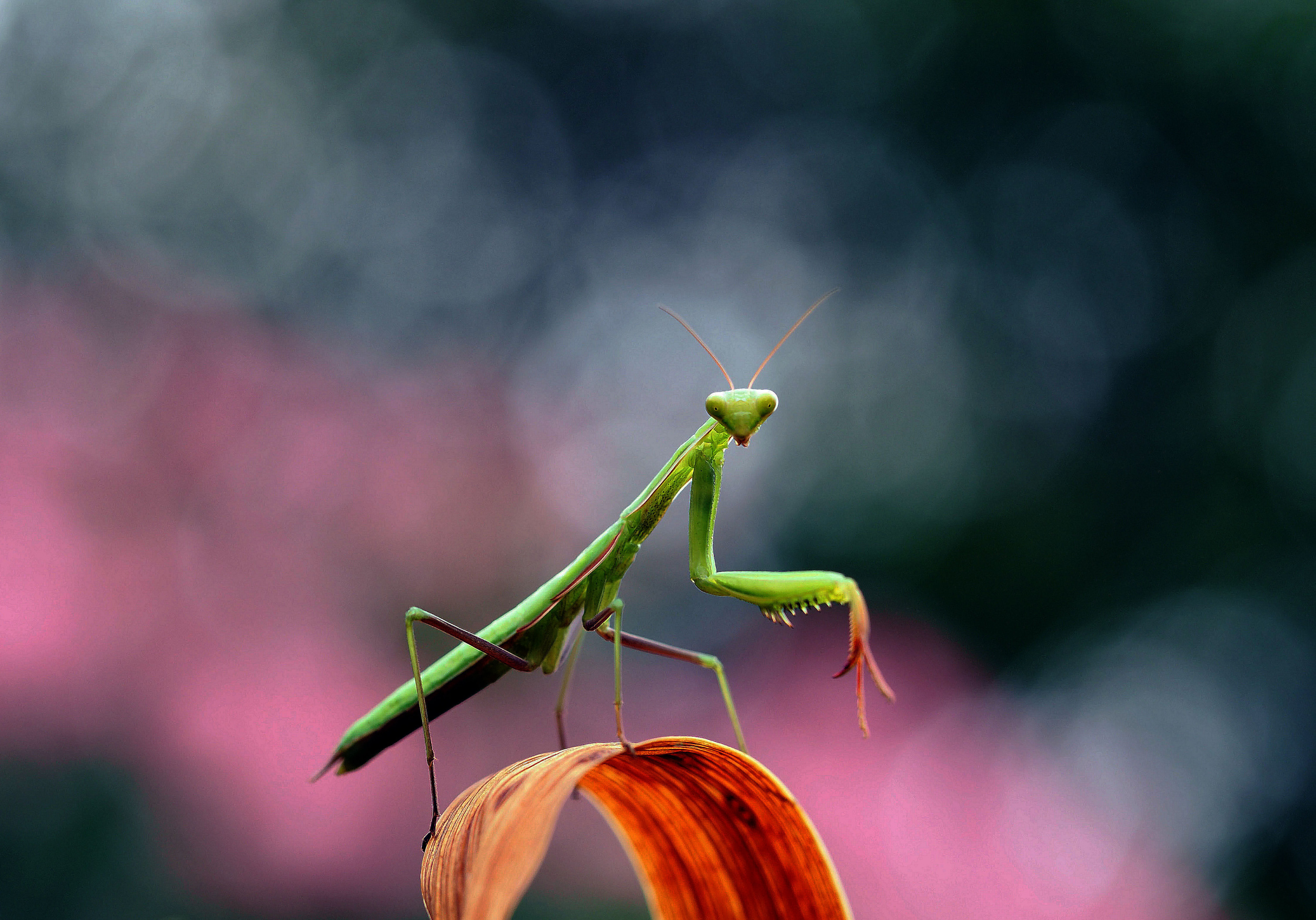
“Black day…”
As we all know, art is subjective. If ten people were asked to select their twenty favorite photographs from Thierry Dufour's extensive portfolio, the results would undoubtedly be very different. This edit is not meant to be definitive. It is simply a reading of Thierry's body of work through one set of eyes.
Thierry Dufour has been a prominent figure at 1x for over 14 years. His love of nature and reverence for some of the world's smallest creatures have revealed an astonishing world of artistic beauty. His work has inspired many 1x members, to the extent that 'fine art insects' have become a daily feature on the front page. Macro photography is not easy. It requires patience, technical skill and an understanding of light, as well as a willingness to wait for nature to cooperate. Thierry seems to possess all of these qualities in abundance. However, technique alone does not explain his photographs. He has the ability to take creatures that most of us barely notice — or occasionally swat away — and place them in a world where they become beautiful, strange, and worthy of our attention.
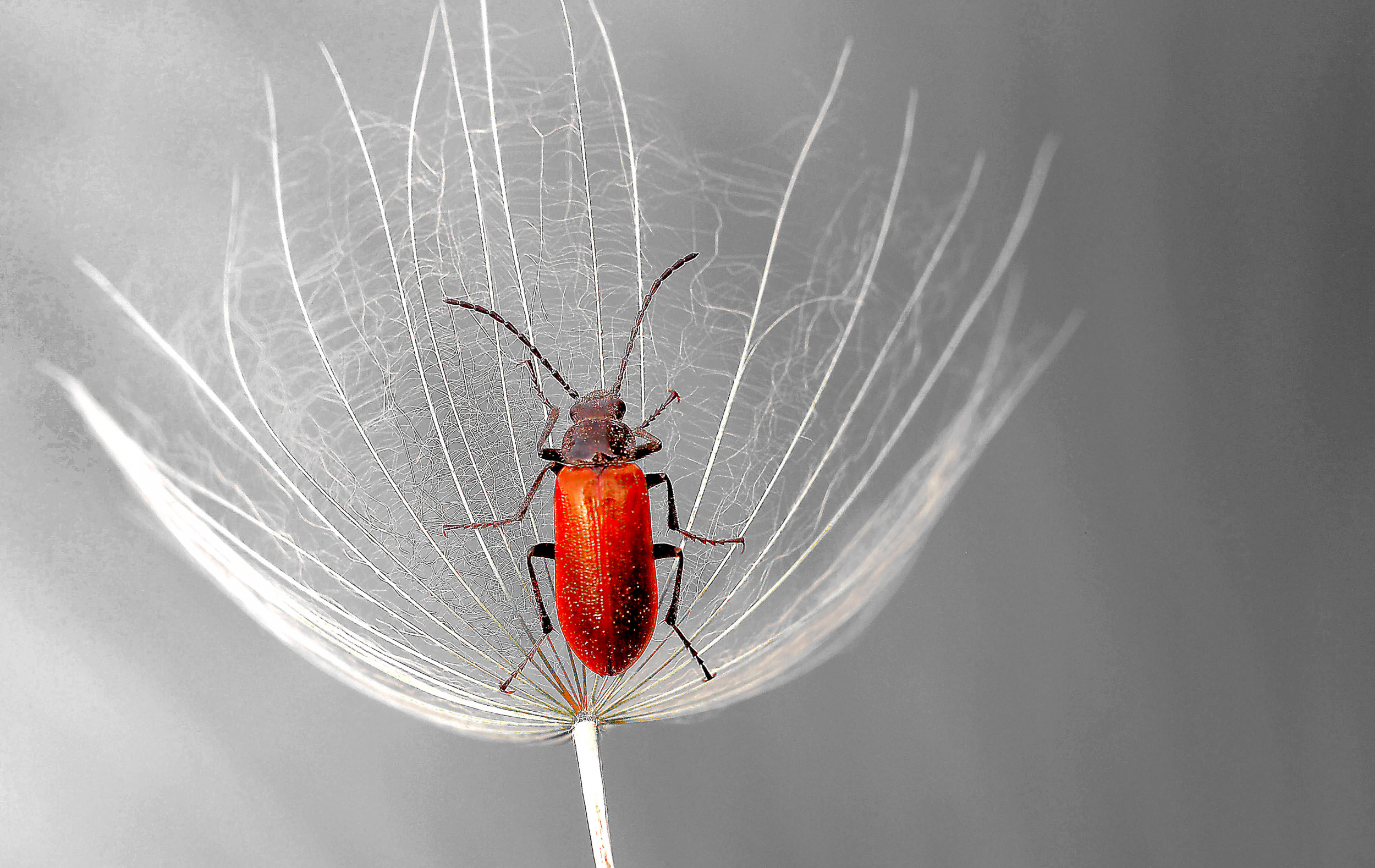
“Red Car On Dandelion”
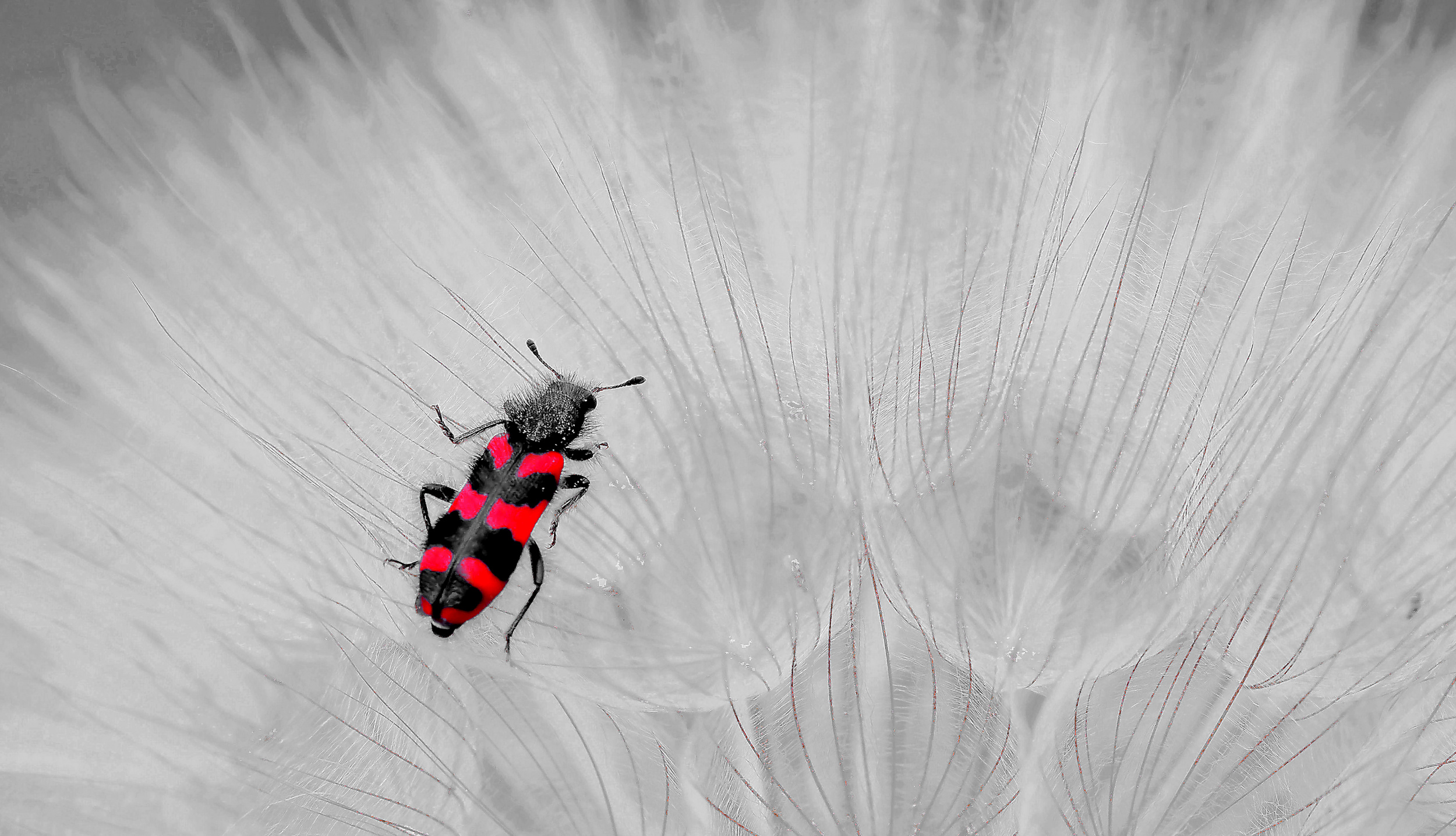
“Red Striped Car”
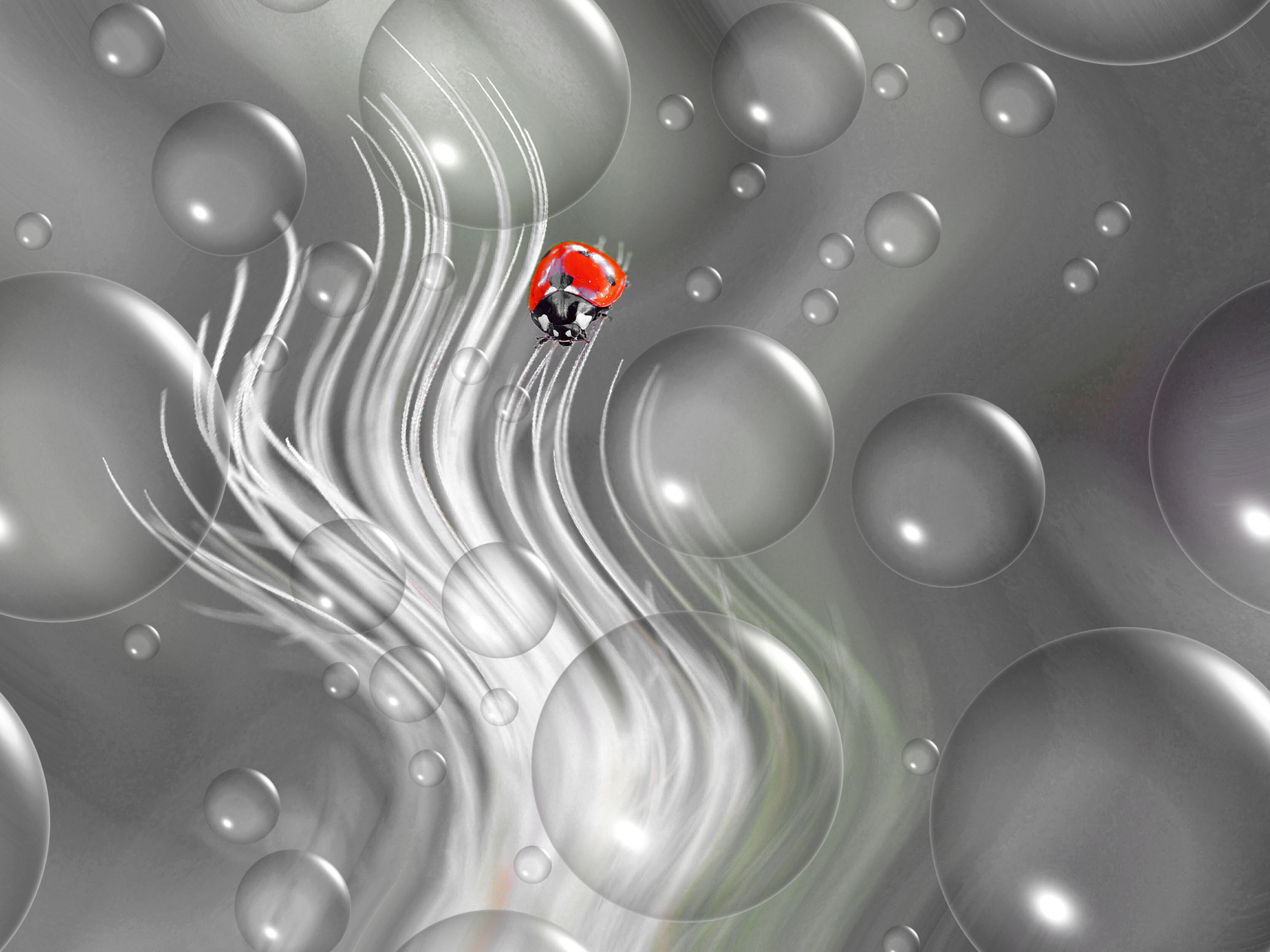
“Dark matter storm…”
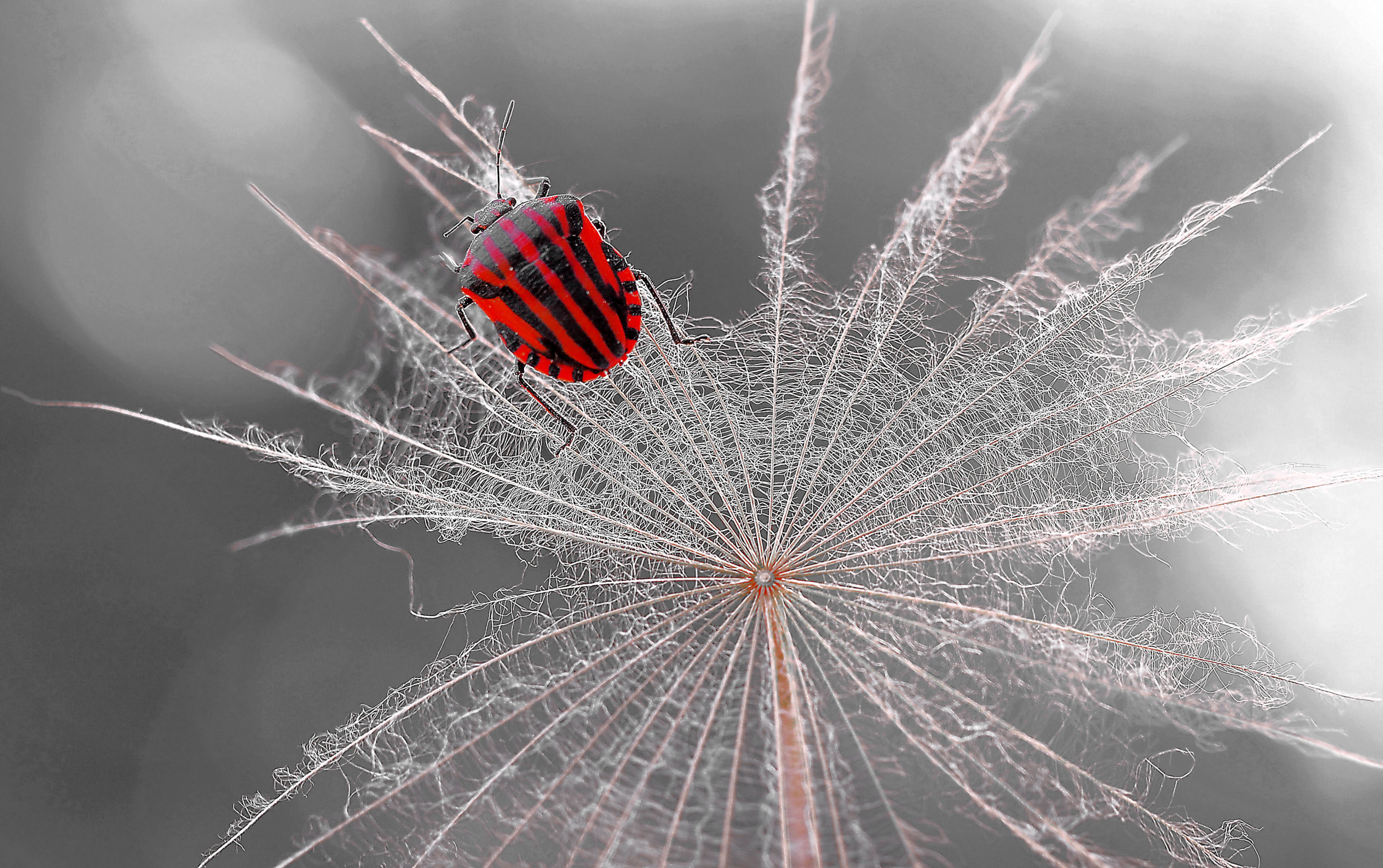
“The star guardian…”
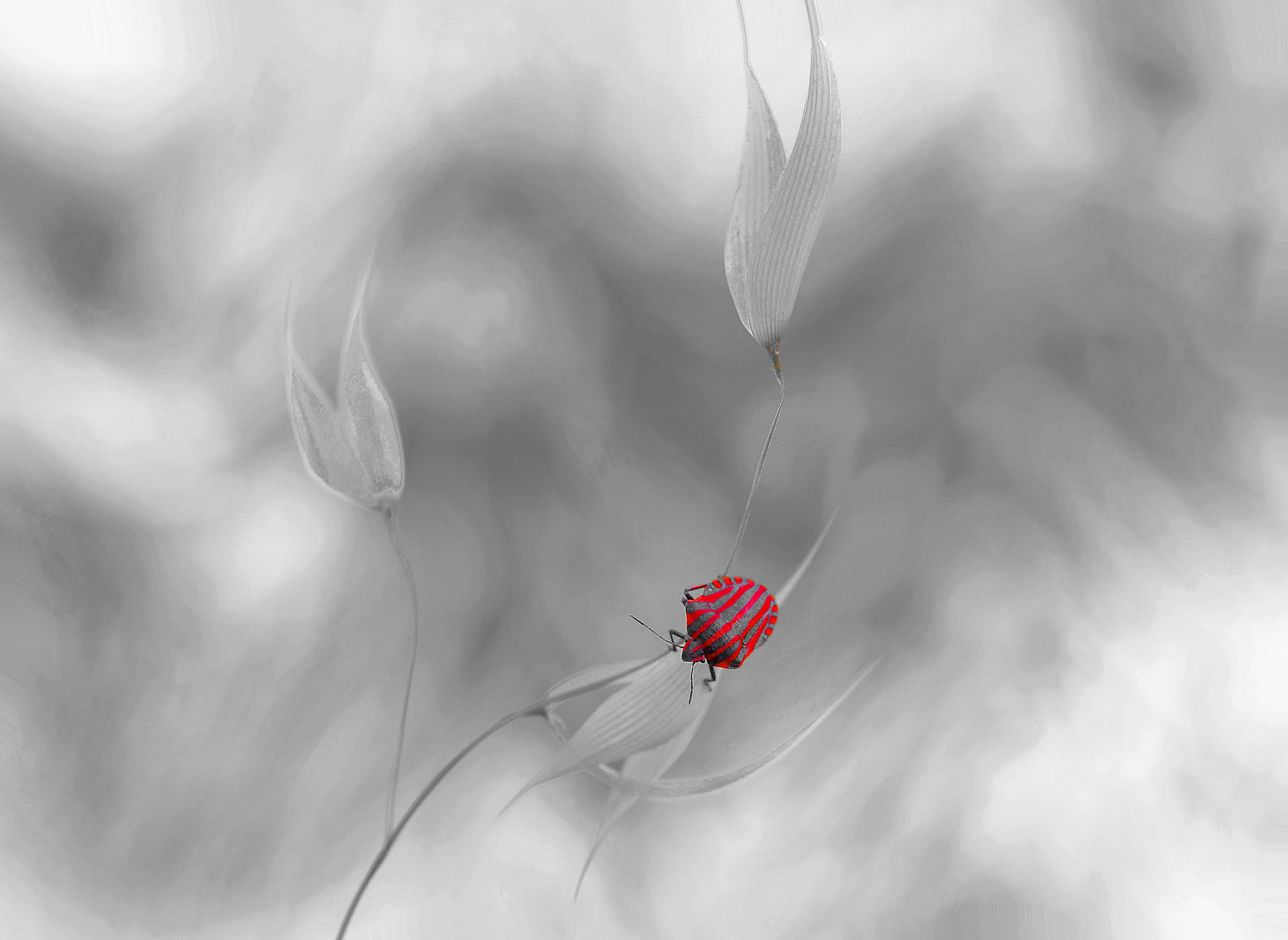
“In pajamas…”
Thierry’s bugs are rock stars. Surrounded by vibrant colours, they strut nature’s runways with great drama and bravado. He imbues his insects with personality; they often seem to make eye contact with the camera, and in some extreme close-ups they even appear to be smiling. One grasshopper becomes an explorer, another a mountaineer and yet another the sole master on board. These photographs are humorous, but never at the expense of the subjects. Thierry treats these insects with a reverence that is infectious. He elevates them to the status of fine art — photographs that belong on gallery walls as much as they belong in the natural world from which they came. His work is imaginative and theatrical, but beneath all the colour and fantasy lies the careful observation of someone who has spent years learning to really see.
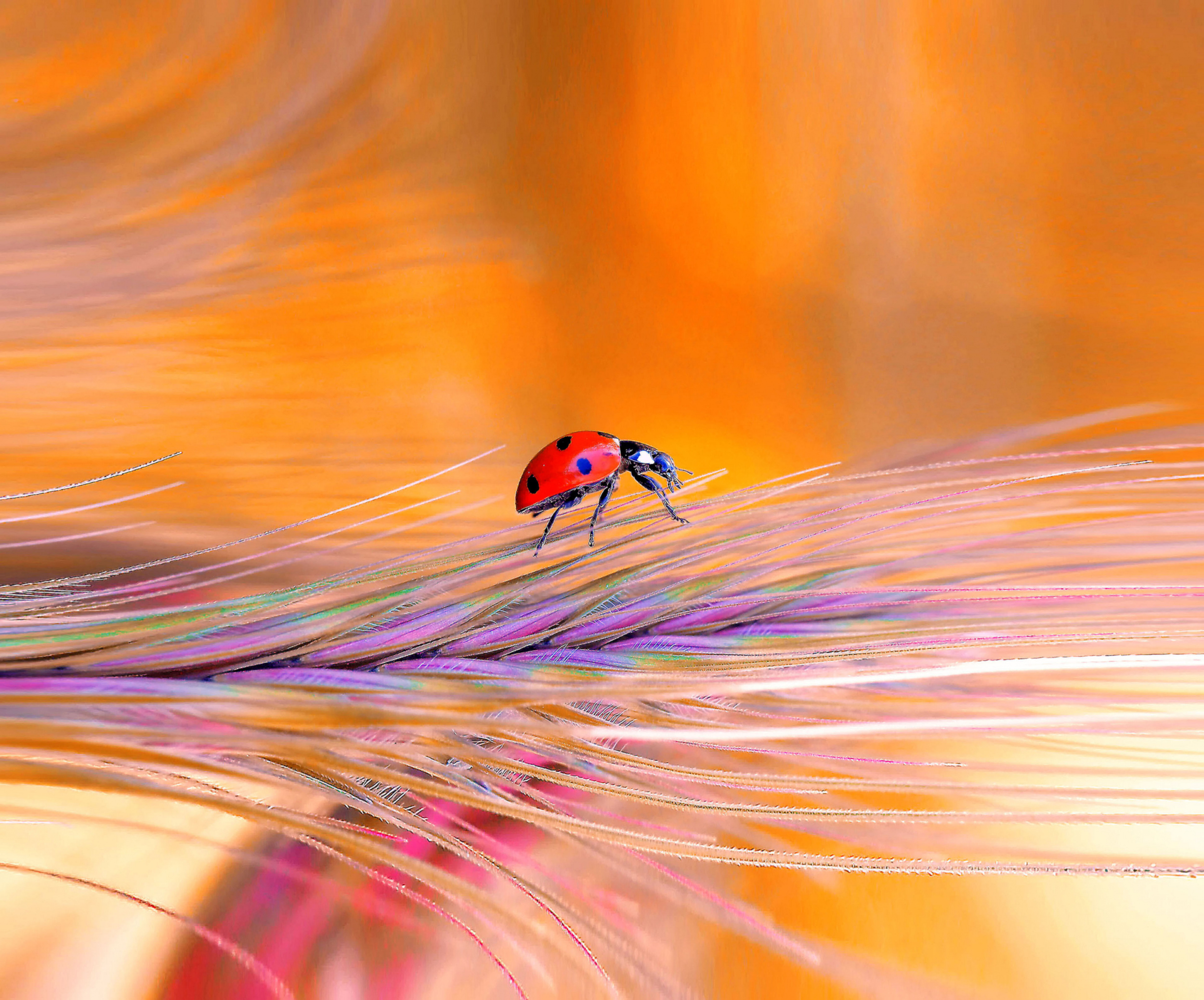
“Rising sun…”
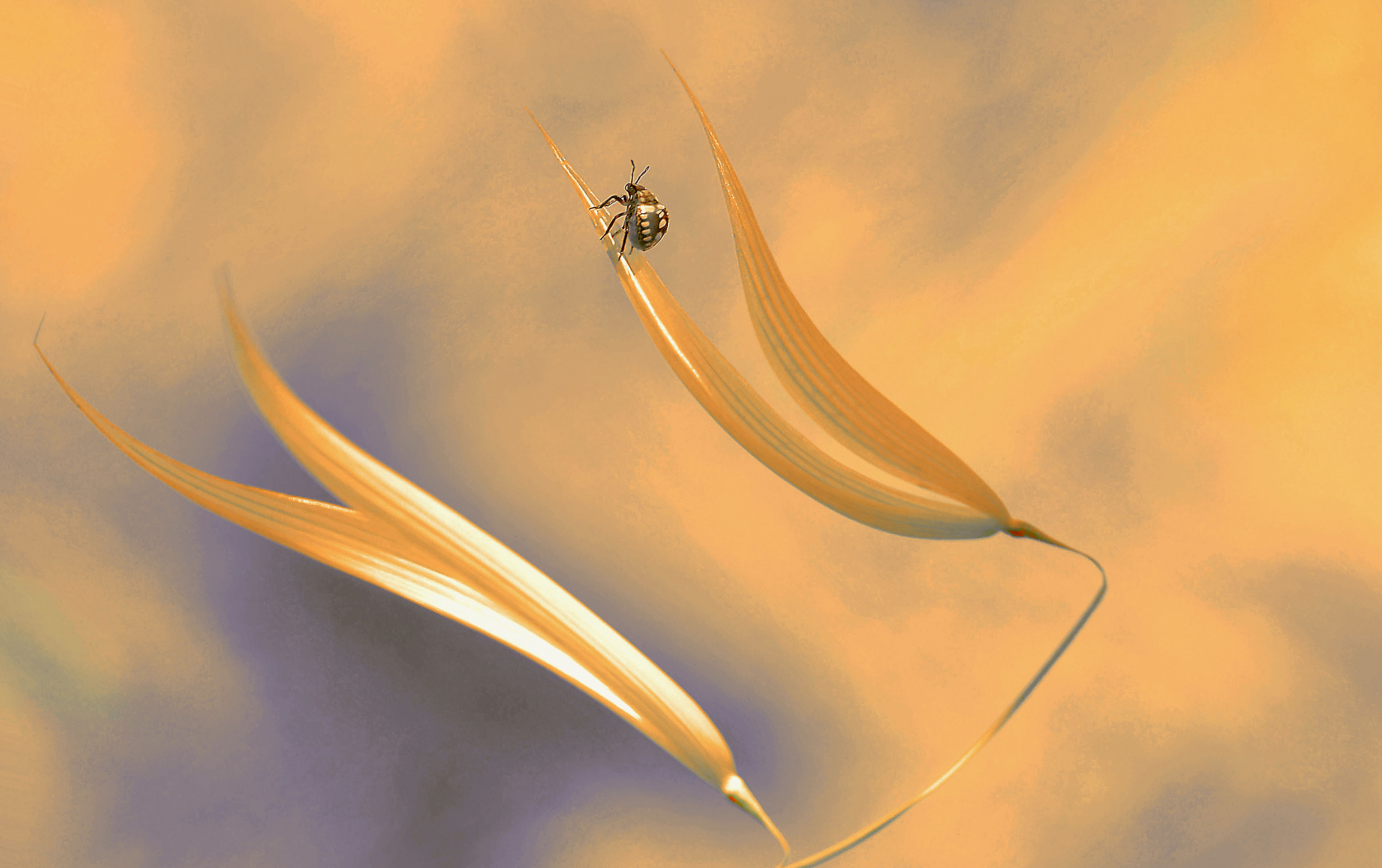
“Sentinel…”
Grasshoppers are as international as 1x. They are found in almost every place on Earth, except for Antarctica. There are more than 11,000 known species of grasshoppers and the are older than dinosaurs. I found a YouTube video with some interesting facts about grasshoppers that you might enjoy. Thierry has certainly expanded my horizons.
Interesting facts about grasshoppers
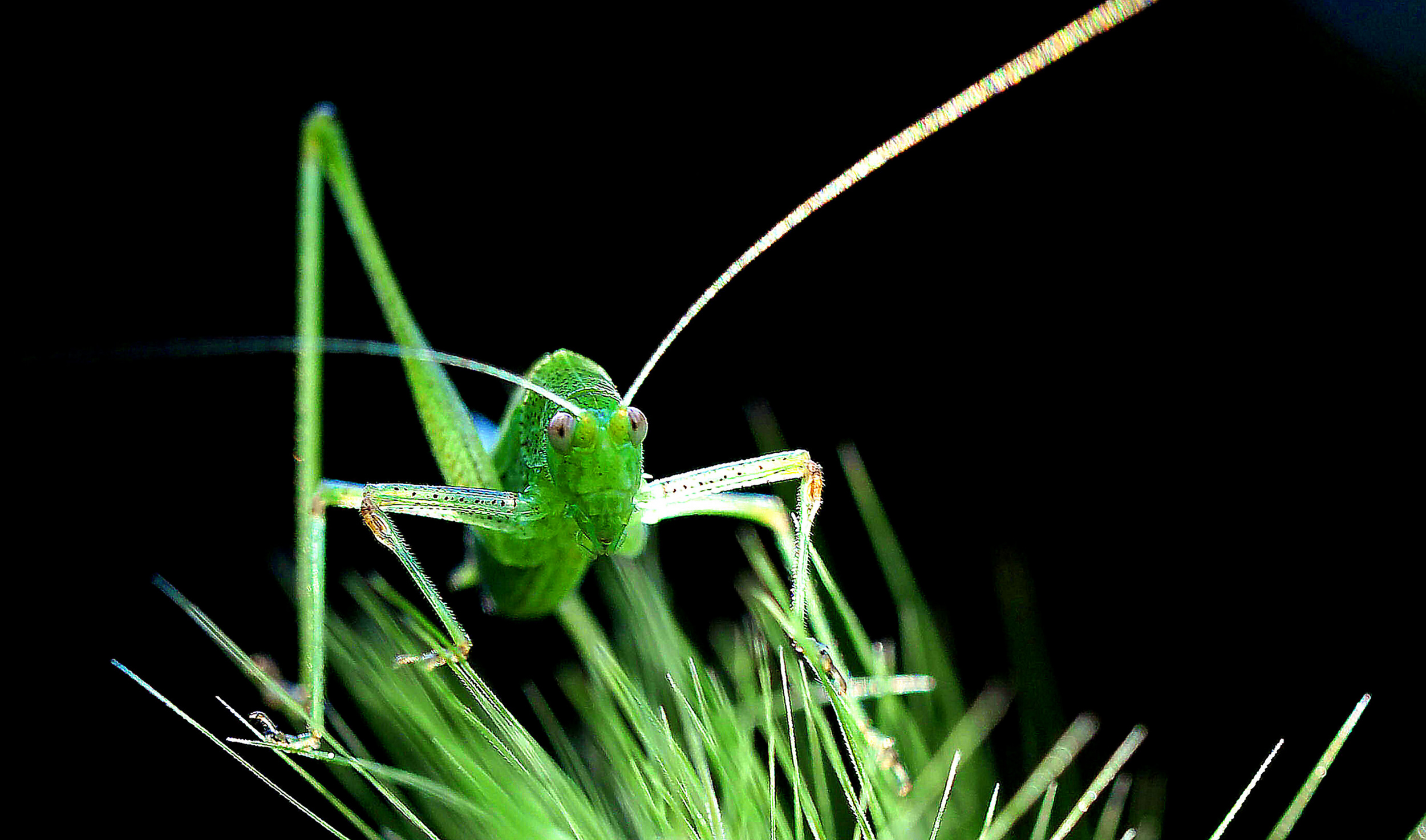
“Stranger in the night…”
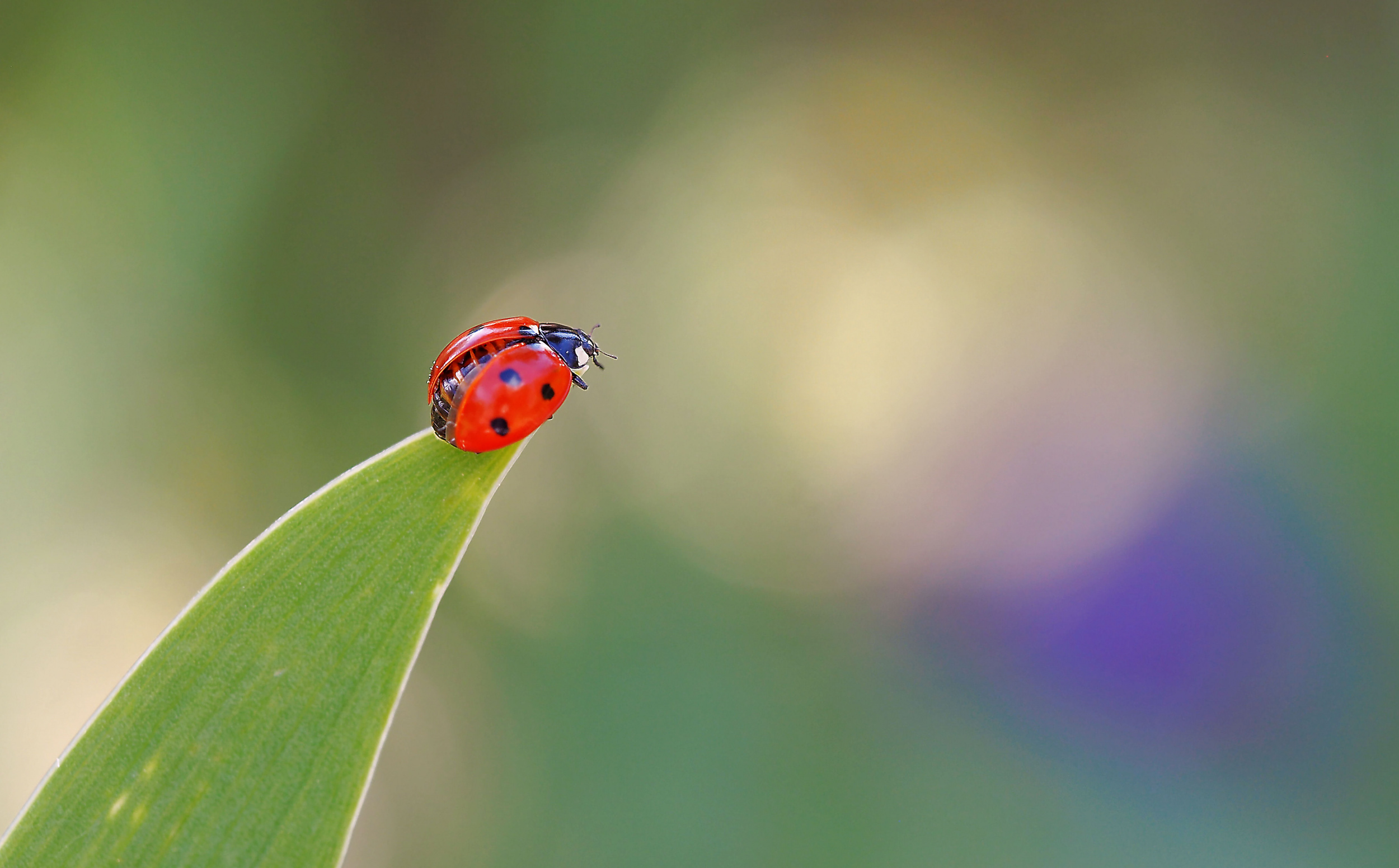
“Imminent departure…”
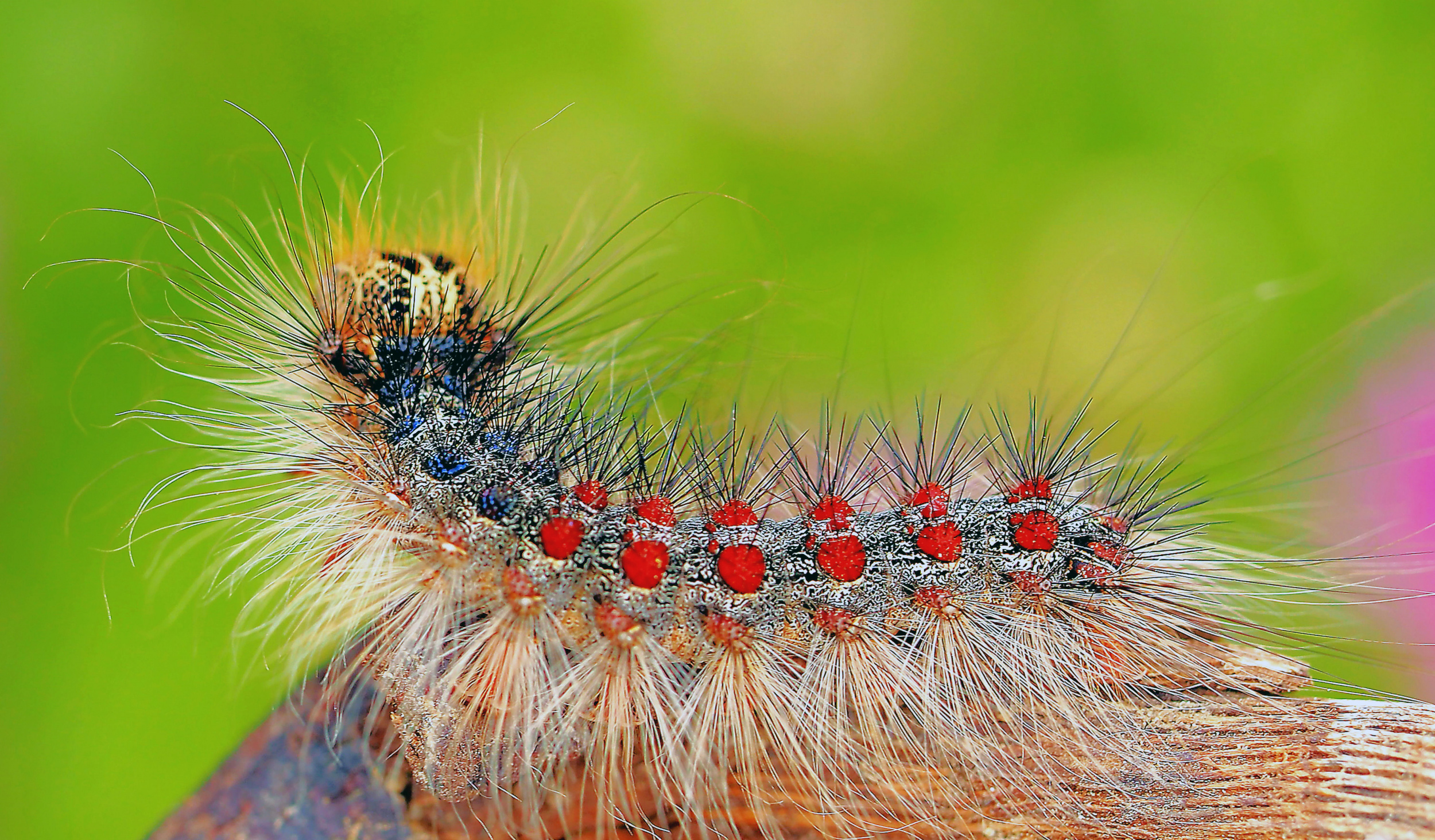
“Warning stinging hairs…”
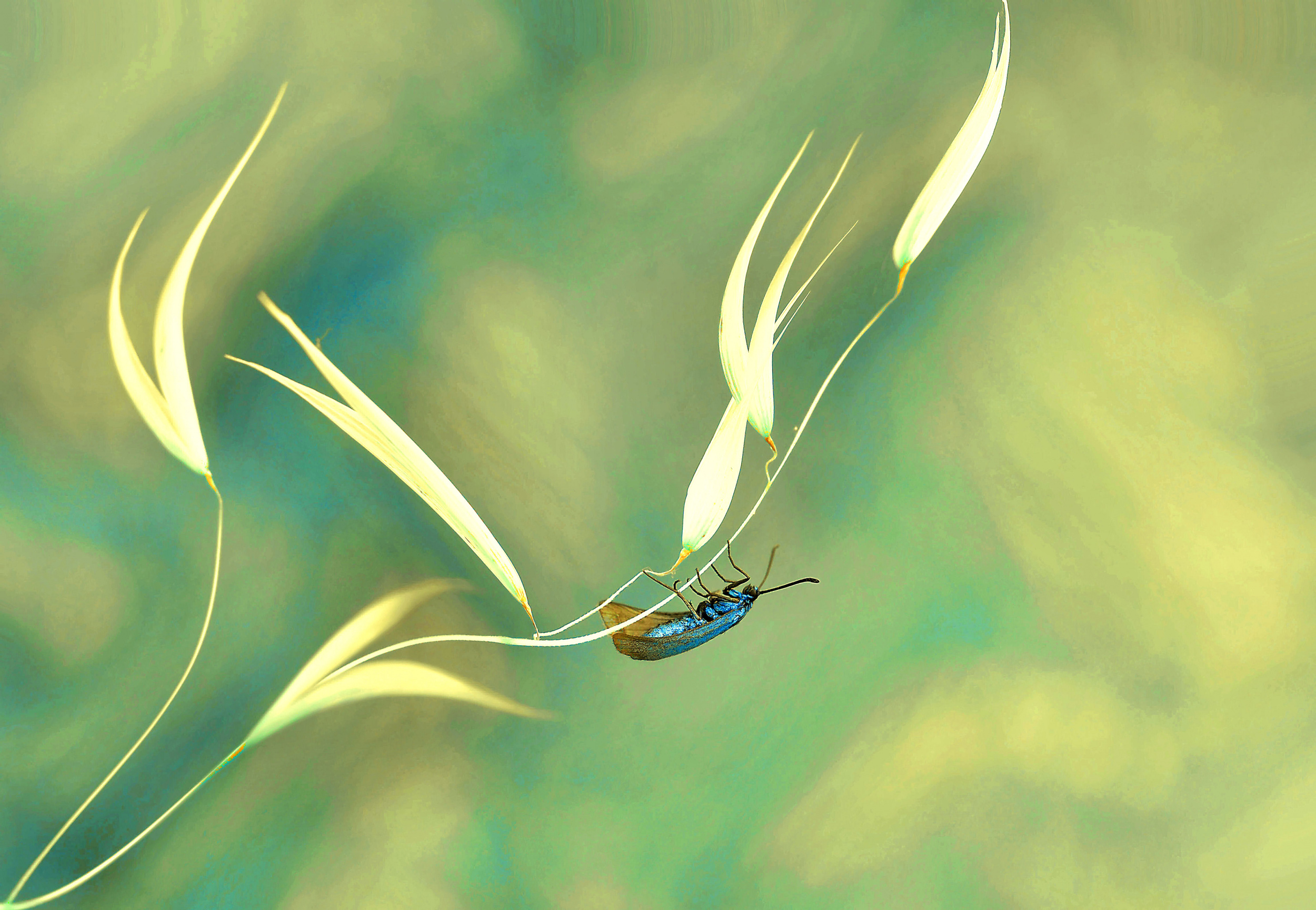
“Harmony…”
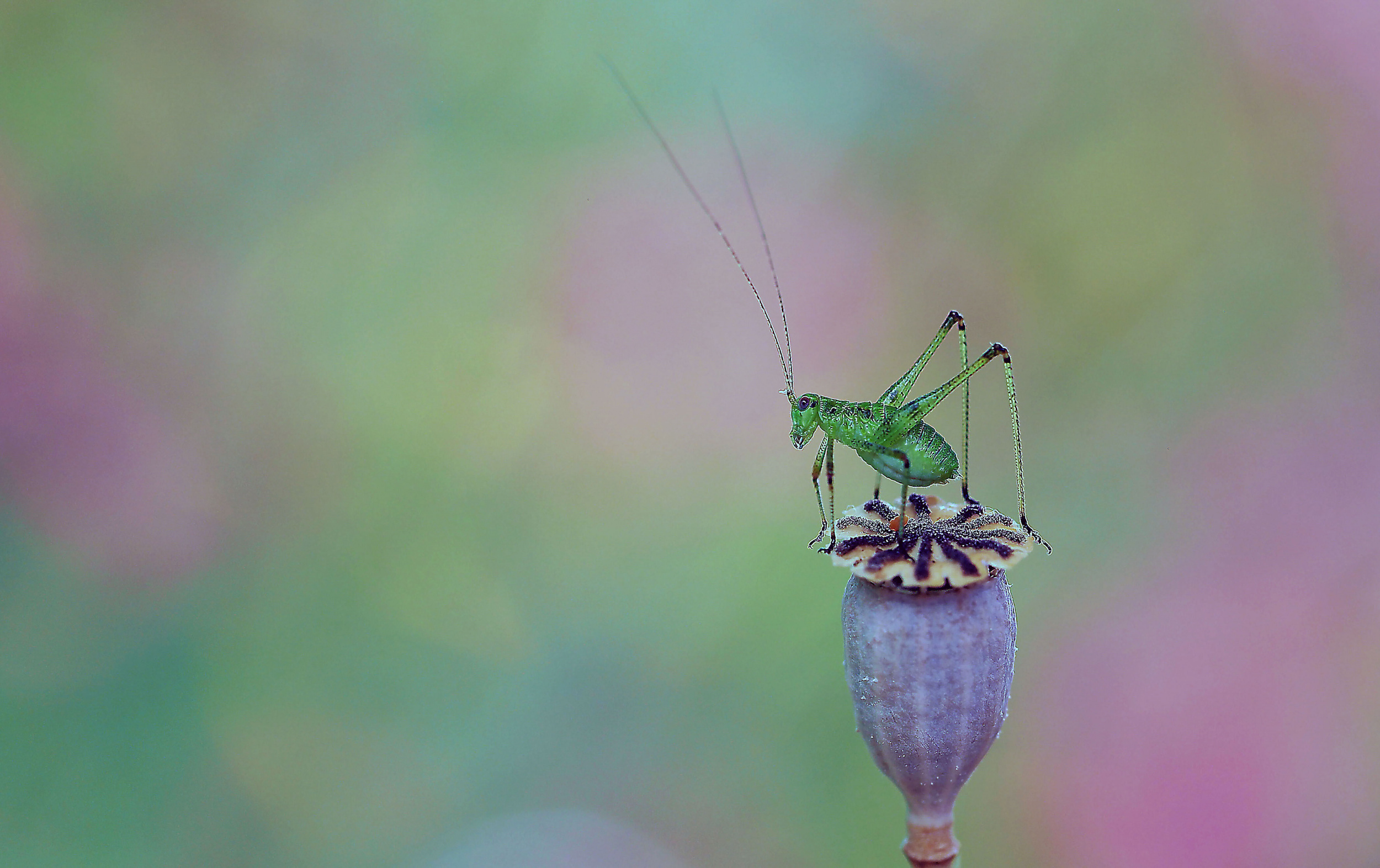
“Alone…”
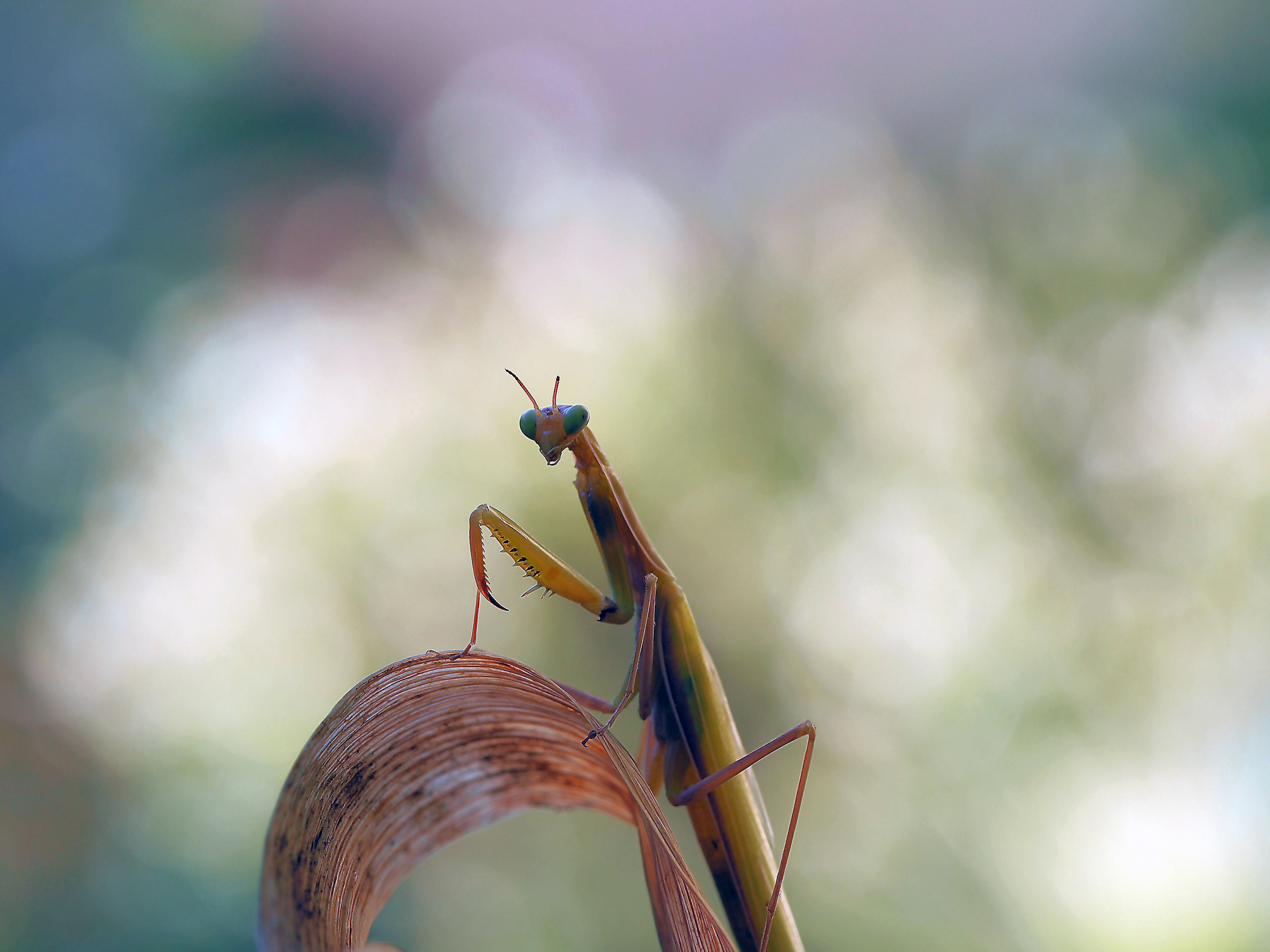
“A seductive look from a great charmer…”
Thierry has never told us much about himself. In an interview one year ago, he spoke instead about his love of nature and the joy of capturing on film the unsung heroes that so few of us ever see. Perhaps that tells us everything we need to know. His photographs have broadened our appreciation of the natural world and our visual vocabulary. After seeing nature through Thierry’s eyes for so many years, it is hard to look at a grasshopper, mosquito or tiny bug in quite the same way again.
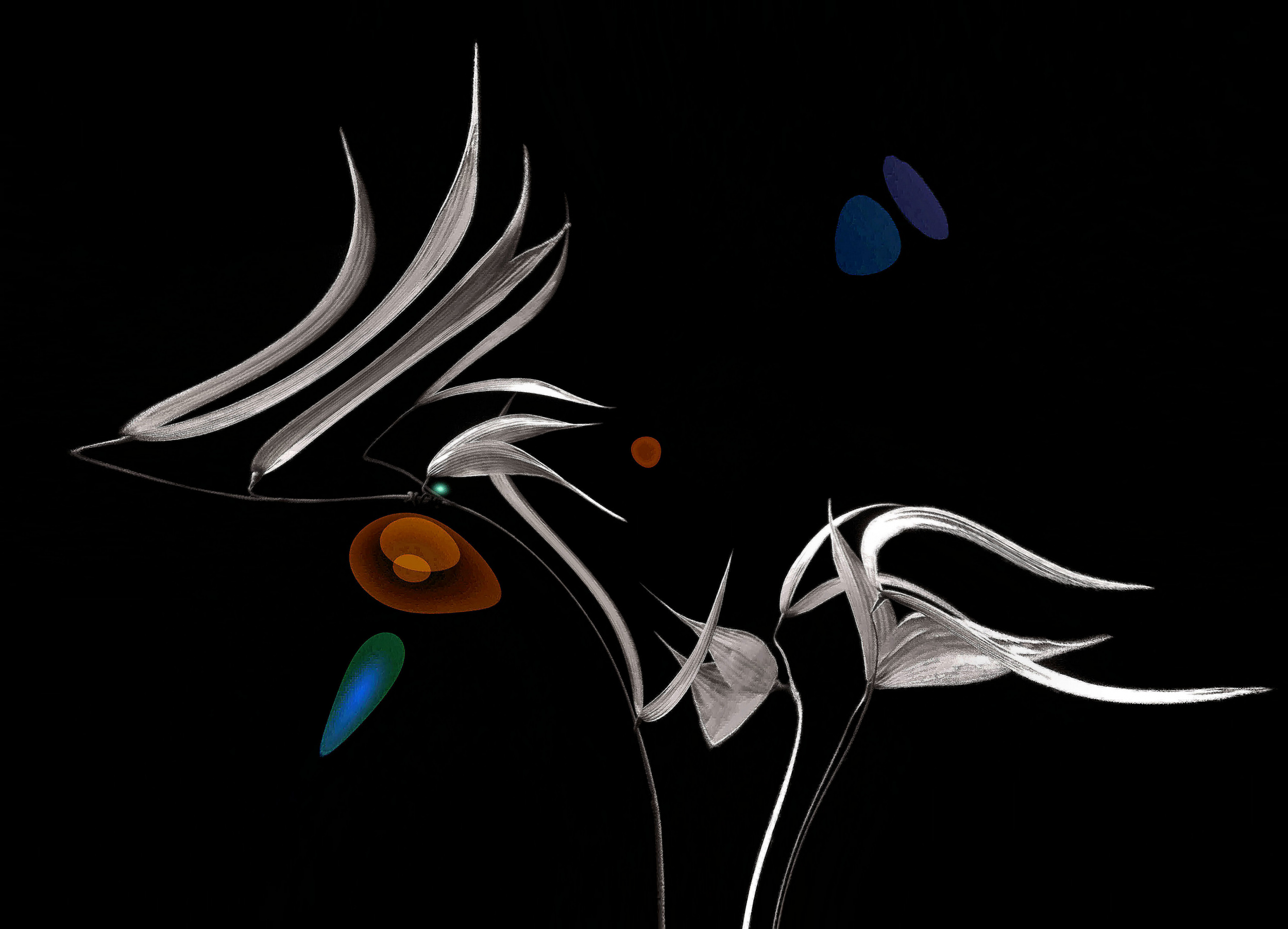
“Night concerto…”
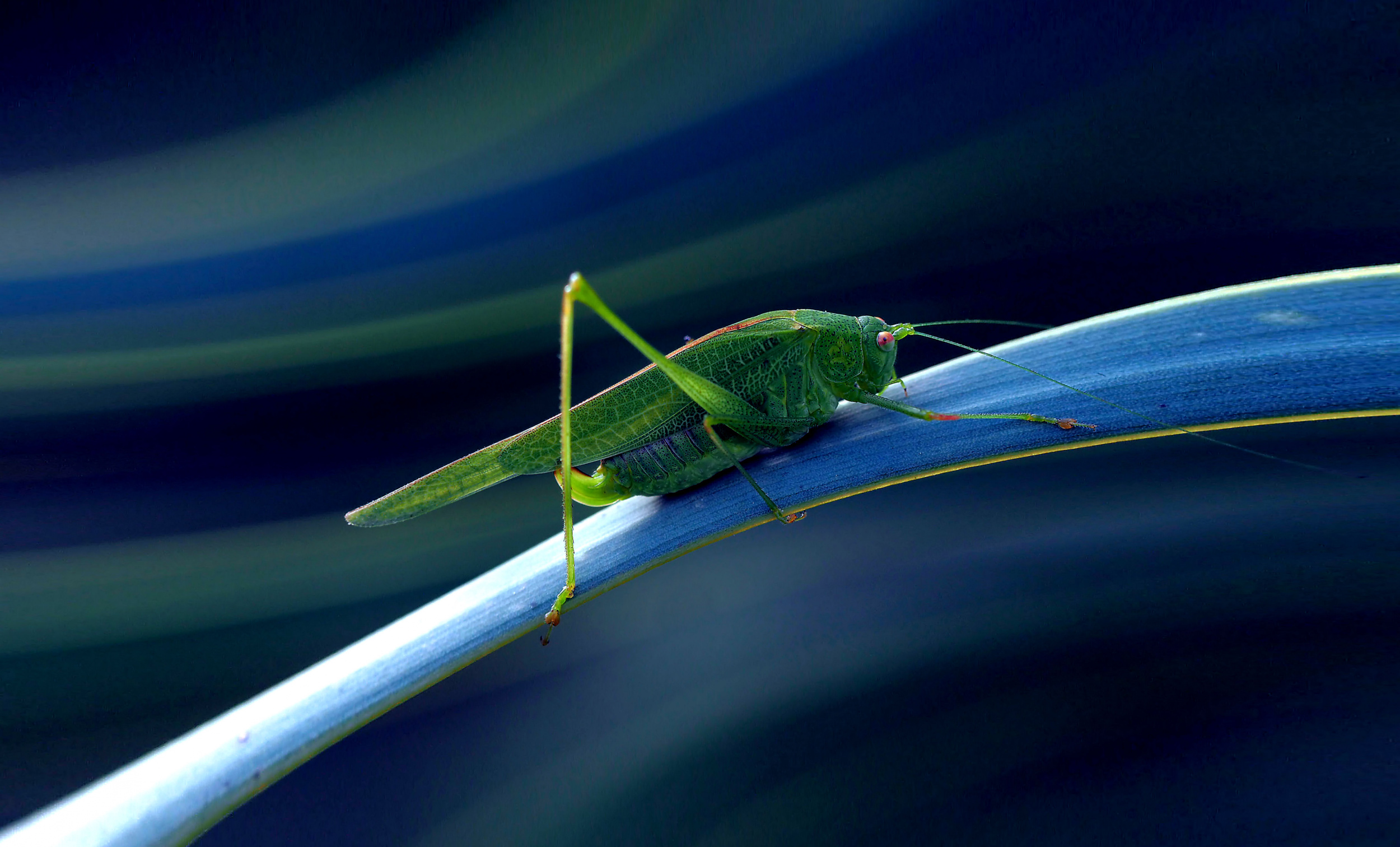
“On the rings of Saturn…”
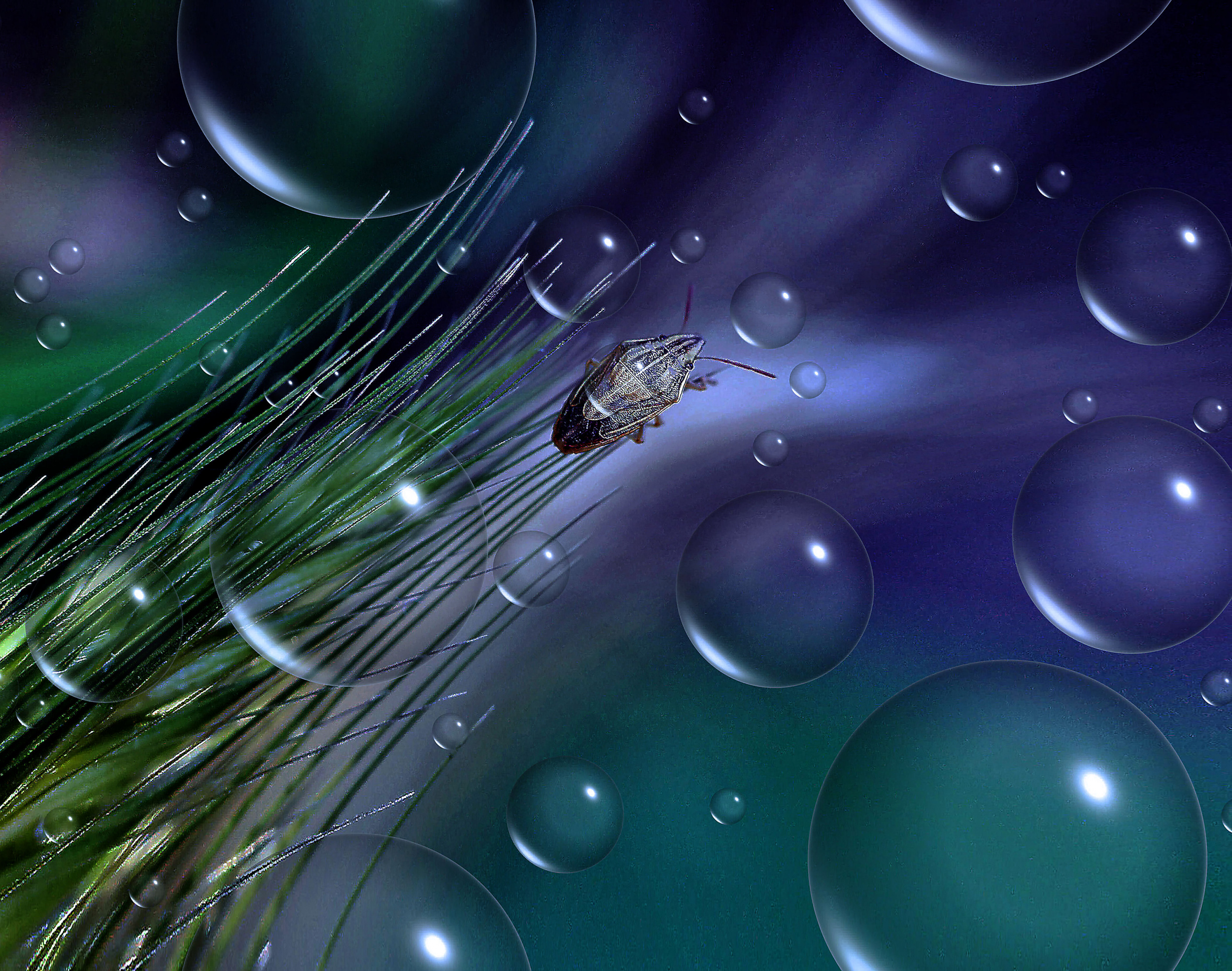
“In the cosmic night”
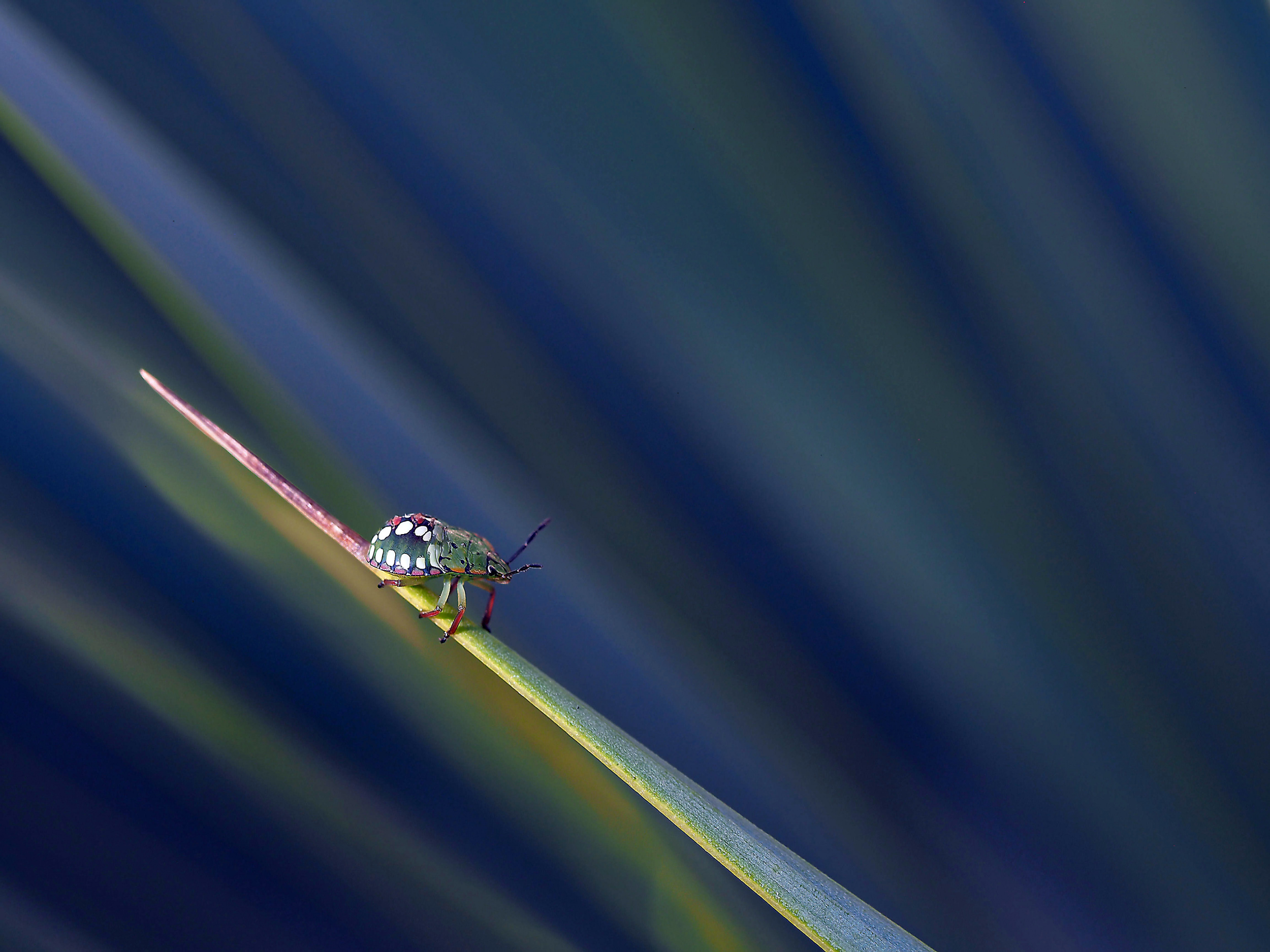
“In the blue of the night…”
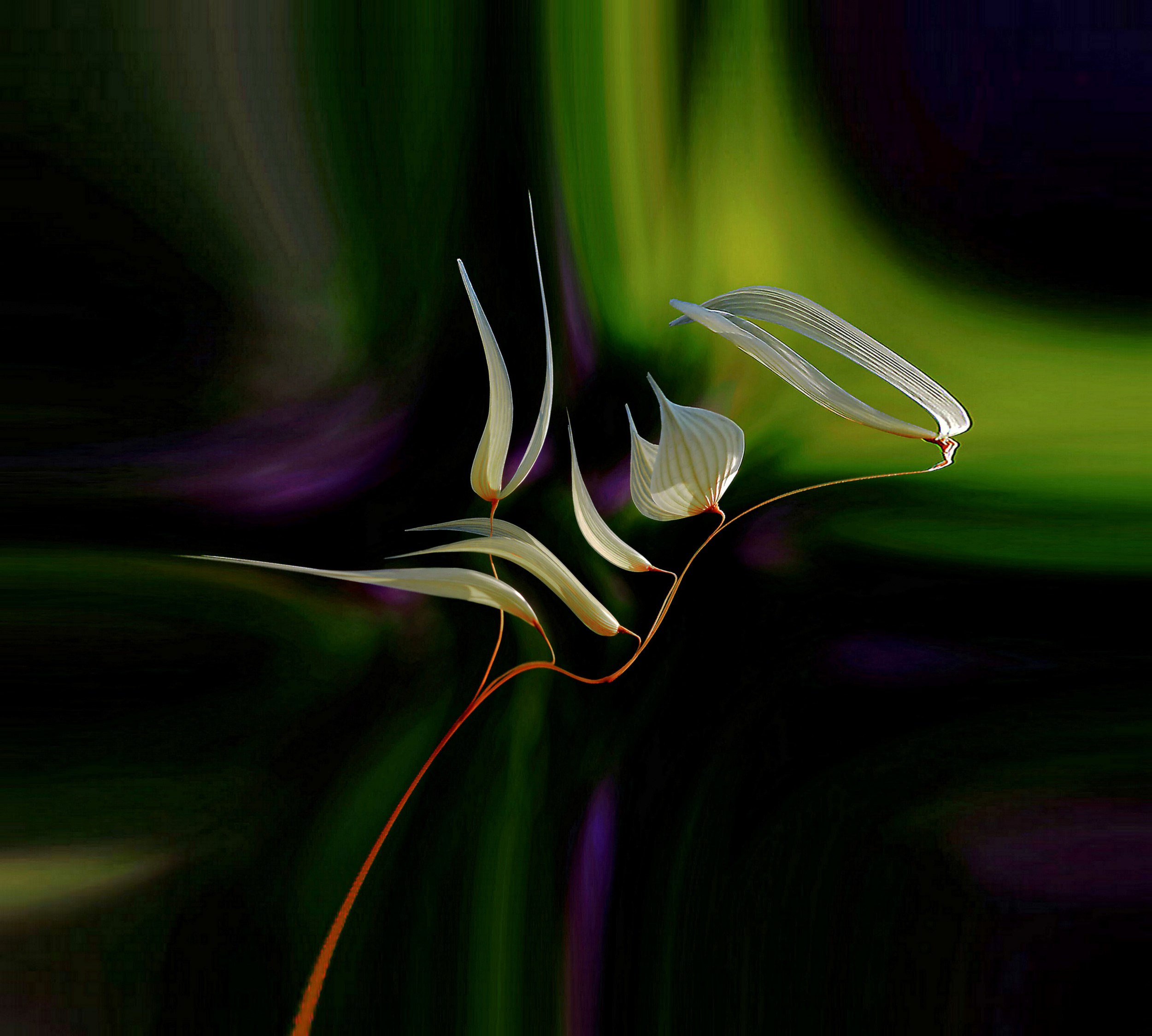
“Wild fantasy…”
 | Write |
 | Luba Chapman PRO Absolutely unique macro photography, Thierry! I am enjoying your photos for years. Good light to you! |
 | Jostein Elmar Seljehaug PRO Unique photos! Very decorative with many small details. Impressively done. Congratulations! |
 | Judy Tseng PRO Very inspiring images Congratulations ! Tthierry. |
 | Ann Kunz PRO Incredible collection! Congratulations. |
 | Thierry Dufour PRO Thank you so much Ann !!! |
 | Jean-Luc BILLET PRO En beauté et en finesse. Formidable travail et très belle expo. Bravo |
| Thierry Dufour PRO Un grand merci Jean-Luc !!! |
 | Elizabeth Allen CREW Congratulations on your well-deserved feature, Thierry,and thanks to Jane. |
| Thierry Dufour PRO Many thanks dear Elizabeth !!! |
 | Jon W Wallach PRO Very inspiring images! |
| Thierry Dufour PRO Thank a lot Jon, greetings !!! |
 | Lucie Gagnon CREW Thierry is someone’s whose work i admire and enjoy looking at. He has been inspiring me for a long time. Thank you Jane for highlighting his photographs. |
| Thierry Dufour PRO Un grand merci Lucie, amitiés !!! |
 | Roland Weber PRO The photos and the article are so wonderful and full of magic, I keep on looking and I really marvel at the variety, Thierry.
I am longing for more.
Chapeau and my best congratulations. |
| Thierry Dufour PRO Many thanks Roland, gretings !!! |
 | Miro Susta CREW Congratulations to your wonderful photo work, your macro photography is perfect. Many thanks Jane and Yvette for publishing it. |
| Thierry Dufour PRO Thank you very much dear Miro !!! |
 | Adrian Donoghue PRO congratulations Thierry, I've always loved your work |
| Thierry Dufour PRO Thank you so much Adrian, greetings !!! |
 | Barré Thierry PRO Toutes mes félicitations pour cette belle mise en avant et ce fantastique travail en macrophotographie créative 😊 |
| Thierry Dufour PRO Merci beaucoup Thierry, amitiés !!! |
 | Joshua Raif PRO Congratulations on this nice exposure of your work. All the best. |
| Thierry Dufour PRO Thank you so much Joshua, greetings !!! |
 | Tim Mossholder PRO Near perfect imagery. Thanks for your creative contributions! |
| Thierry Dufour PRO Thank you very much Tim !!! |
 | Peter Hammer PRO Wonderful images |
| Thierry Dufour PRO Many thanks Peter !!! |
 | Nichole Chen PRO Congratulations, Thierry! Your ability to turn the tiniest creatures into extraordinary works of art never ceases to amaze me. So well deserved! |
| Thierry Dufour PRO A big thank dear friend !!! |
 | MAIHONG DENG PRO Good job! |
| Thierry Dufour PRO Thank a lot, greetings !!! |
 | Robin Wechsler PRO Always magical! |
| Thierry Dufour PRO Thank you so much dear Robin !!! |
 | Izabella Végh PRO Bellissimo articolo, con fotografie eccezionale, grazie mille e congratulazioni Thierry. |
| Thierry Dufour PRO Thank you very much Izabella, greetings !!! |
 | Rana Jabeen PRO Impressive work, congratulations Thierry |
| Thierry Dufour PRO Thank very much Rana, greetings !!! |
 | Patrick Compagnucci PRO Amazing work Thiery. Been a fan for many years. Warmest regards, Patrick |
| Thierry Dufour PRO Many thanks my friend Patrick !!! |
 | Atul Saluja PRO Always a pleasure to see your images Thierry. Big fan always congratulations my friend |
| Thierry Dufour PRO Thank you very much my friend Atul !!! |
 | Francisco Villalpando PRO Wonderful stuninng images, very inspiring, congratulations, Thierry! |
| Thierry Dufour PRO Thank you so much Francisco, greetings !!! |
 | Svetlana Povarova Ree PRO Amazing macro image! Congratulations, Thierry! Thanks a lot to Jane and Yvette! |
| Thierry Dufour PRO Thank you very much dear Svetlana !!! |
 | Robert Buergisser PRO Congratulations on having your photos published in the magazine, Thierry! I think you really deserve it. Thank you for your stunning, professional photos! |
| Thierry Dufour PRO A big thank Robert, greetings !!! |
 | Adrian Popan PRO Thierry, my dear friend, congratulations! |
| Thierry Dufour PRO Thank very much dear Adrian, greetings !!! |
 | Marie Salmeron-Serrano PRO Simply magnificent work!. Congratulations! |
| Thierry Dufour PRO Thank so much Marie, greetings !!! |
 | Jacob (Jian) Xu CREW Congratulations! Fabulous images, beautiful subject, composition and color! |
| Thierry Dufour PRO Many thanks dear Jacob !!! |
 | Wei (David) Dai PRO Amazing macro photography! Congratulations, Thierry! |
| Thierry Dufour PRO A big thank David, greetings !!! |
 | Helena GARCIA HUERTAS PRO Some wonderful photos – well done! |
| Thierry Dufour PRO Thank you very much Helena !!! |
 | Urs Geysir PRO Thierry‘s gallery with his fascinating macro-world was one of the very first galleries I discovered when joining 1x - and have admired since! |
| Thierry Dufour PRO A big thank my friend Urs, greetings !!! |
 | Mathilde Guillemot PRO Une très très belle sélection pour ce focus bien mérité. Bravo Thierry ! Merci Jane et Yvette 😃 |
| Thierry Dufour PRO Un grand merci Mathilde, amitiés !!! |
 | Anna Cseresnjes PRO superbes macros ... Felicitations Thierry |
| Thierry Dufour PRO Merci beaucoup Anna, amitiés !!! |
 | Heike Rompf PRO Unbelievable beautiful nature macro photography! |
| Thierry Dufour PRO Thank you very much Heike !!! |
 | Christian MARCEL PRO Les photos de Thierry sont uniques elles méritaient d'être aussi bien présentées ! Merci pour cet article.
|
| Thierry Dufour PRO Merci beaucoup Christian, amitiés !!! |
 | Paula Iliescu PRO Amazing frames! Congratulations! |
| Thierry Dufour PRO Thank you so much Paula !!! |
 | Marco B. PRO Incredibile images, sincere congratulations, bye Marco |
| Thierry Dufour PRO Many thanks Marco, greetings !!! |
 | Eric Chatelain Photography PRO Superbes images, comme toujours ! Bravo Thierry pour cette incroyable série très inspirantes pour beaucoup de photographes : c'est la maîtrise absolue de la lumière, du cadrage et de la révélation d'un monde insoupçonné, pourtant là sous nos yeux. Je suis très admiratif de ton travail. Amicalement. Eric |
| Thierry Dufour PRO Merci pour tes mots Eric, amitiés !!! |
 | DonnaHom APA PRO A very impressive macro work. You brought a small world to a big world. Congratulations. Thank you editors. |
| Thierry Dufour PRO Thank you so much DonnaHom !!! |
 | widiarto p. PRO Congratulations on your amazing works.
They are simply stunning! |
| Thierry Dufour PRO Thank very much Widiarto !!! |
 | Takiko Hirai PRO Thank you for always sharing such wonderful work. I look forward to your continued success. |
| Thierry Dufour PRO Many thanks Takiko !!! |
 | Ben.C.L PRO Congratulations! Thierry, really love your painterly macro works |
| Thierry Dufour PRO Thank you so much Ben, greetings !!! |
 | Kieron Long PRO Congratulations on being featured. It is well deserved! |
| Thierry Dufour PRO Thank you so much Kieron !!! |
 | FranzStaab PRO Always exciting when you take us into the microcosm of nature! |
| Thierry Dufour PRO Thank a lot Franz, greetings !!! |
 | Monica Mermoz PRO Congratulations, Thierry!
I am a huge admirer of your work, and this article offers an excellent overview of it.
I am glad your work is receiving this important recognition here. |
| Thierry Dufour PRO A big thank Monica, greetings !!! |
 | Tore Johansson PRO Great collection, Im so impressed by your works! |
| Thierry Dufour PRO Thank you very much Tore, greetings !!! |
 | Pedro Uranga PRO An excellent collection of beautiful images captured with grat sensitivity. Congratulations Thierry. |
| Thierry Dufour PRO Thank you so much Pedro, greetings !!! |
 | Karin Kilb PRO Beautiful, creatively composed photos dear Thierry. |
| Thierry Dufour PRO Thank so much Karin !!! |
 | Federico Righi PRO Whatever I write, it could not be enough for describing the beauty your pictures produce! My best compliments, Thierry" |
| Thierry Dufour PRO A big thank Federico, greetings !!! |
 | Ellen van Deelen PRO Congrats Thierry! |
| Thierry Dufour PRO Thank a lot dear Ellen !!! |
| | Ellen van Deelen PRO |
| | Ellen van Deelen PRO Congrats Thierry! |
 | Rui Wang PRO Congratulations!!! I'm always your fan. |
| Thierry Dufour PRO :)) Thank you very much Rui, greetings !!! |
 | Erhard Batzdorf PRO Unique, fascinating works. It is high time your work was recognized here. |
| Thierry Dufour PRO Many thanks Erhard, greetings !!! |
 | A/B Design Studio PRO Brilliant! |
| Thierry Dufour PRO Thank you very much !!! |
 | Martin Groth PRO Wonderful portfolio, great captures! Thanks for sharing, Thierry! |
| Thierry Dufour PRO Thank you so much Martin, greetings !!! |
 | Ou Yang PRO Astonishing work! Congratulations! |
| Thierry Dufour PRO Thank very much dear friend !!! |
 | Jay Satriani PRO Small creatures might go unnoticed at a casual glance, but through macro photography, we can witness their beauty and extraordinary life stories. A truly stunning gallery—words hardly do it justice. Congratulations, my friend Thierry; I will always enjoy your work. Thanks to editor Jane Lyons and my old friend Yvette Depaepe for always sharing such beautiful stories. |
| Thierry Dufour PRO A big thank my friend Jay, greetings !!! |
 | Susan PRO Wonderful work ! |
| Thierry Dufour PRO Thank so much dear Susan !!! |
 | Nick Lukey PRO A fine selection of images, with thought to great light and background both in texture colour and composition. Bravo |
| Thierry Dufour PRO Many thanks Nick, best regards !!! |
 | Angelika Vogel PRO Special, spectacular macro images Thierry! Congratulations on your wonderful portfolio! |
| Thierry Dufour PRO Thank you so much dear Angelika !!! |
 | Jois Domont ( J.L.G.) PRO Enhorabuena querido Thierry, una colección de fotos impresionante. Felicidades |
| Thierry Dufour PRO Thank you very much my friend Jois !!! |
 | Hadi Malijani (Malenjani) PRO A remarkable body of work! Thierry has a rare gift for revealing the extraordinary character and beauty of the smallest creatures. His photographs go beyond technical excellence, inviting us to see the natural world with fresh eyes and a sense of wonder. Truly inspiring work! |
| Thierry Dufour PRO Many many thanks Hadi, greetings !!! |
 | Fabrizio Micheli PRO Great summary of your extensive and beautiful collection of images, dear Thierry. Well done as usual |
| Thierry Dufour PRO Thank very much Fabrizio, greetings !!! |
 | Nicolae Stefanel Rusu PRO Impressive portfolio. Congratulation, dear Thierry. |
| Thierry Dufour PRO Thank you so much dear Nicolae, greetings !!! |
Tutorial led by Editor Michel Romaggi in collaboration with the author Jay Satriani
Edited and published by Yvette Depaepe, the 7th of October 2026
For Jay, photography is a personal visual language — a space where he can express himself honestly, guided by intuition and the atmosphere of each moment. When hobby, profession and personal expression converge through photography, the creative process becomes a continual journey of self-discovery and understanding.
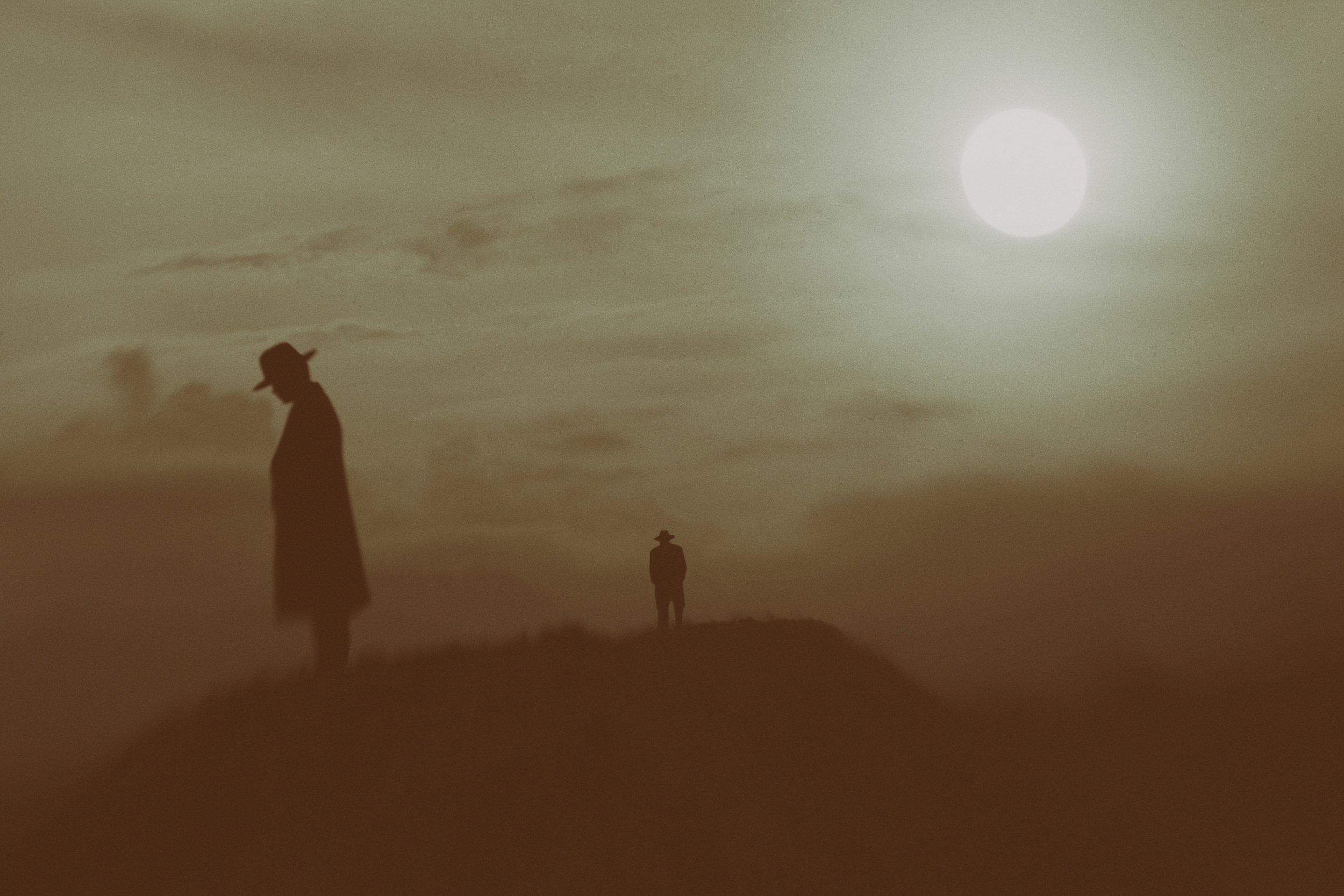
‘Lost Harmony’
Settings: f-stop 2, exposure time 1/8000, ISO 100, and focal length 50mm.
Time and "loss" seem like two concepts that inspire you…?
Yes, time and loss are indeed recurring themes in both my life and my work. To me, time is not just about the passing of moments, but about the gradual changes that teach us to understand ourselves. Meanwhile, loss is not just about something slipping away; it's about what remains in our hearts: memories, emotions, lessons and meaning.
In moments of stillness, these experiences often resurface as feelings or images that I wish to express through photography. I don't always plan what I'll create; instead, I let intuition, mood, light and life experiences guide my hands and mind. It is as if each image is a message inviting me to reflect. For me, then, photography is not just about capturing what has passed, but about trying to understand the impact of time and loss on me.
What equipment do you usually use?
The equipment I used most recently consists of a Canon 7D, a Baby Muse 50mm lens, and a Canon 24mm f/2.8 STM lens.
You told me that the picture 'Lost Harmony' has a special meaning to you. Why is that?
This image represents my inner journey — the struggle to control my thoughts and desires, which often lead me in a different direction to that which my heart truly desires. To me, 'Lost Harmony' is not just about losing something outside myself, but also about internal imbalance: when the mind, heart and desires are no longer aligned. The human figure in the photograph represents myself, learning to understand and control who I am. Standing within such an immense space reminds me that, as a human being, I am only a small part of something much greater.
* The moon symbolizes time and the journey of life: it is always moving and changing, and it never returns to exactly the same place. It reminds me that every stage of life is an opportunity to learn and understand myself more deeply.
* The vast sky and empty space represent my awareness that I ultimately possess nothing absolutely. In the presence of such vastness, human beings appear tiny. This emptiness reminds me to remain humble, to let go of my ego and to stop seeing myself as the center of everything.
* The fog symbolizes the thoughts and desires that sometimes obscure my sense of direction. When my heart and mind are out of balance, the way forward becomes unclear. However, the fog also teaches me that not everything needs to be visible in order to be crossed. Sometimes, I have to move slowly and learn patience and trust, recognizing the path from within.
* Meanwhile, the yellow tone filling the image represents the light of awareness — a faint light that continues to exist within uncertainty. It is like hope and wisdom gradually emerging as I learn to see myself more honestly.
*The two figures can also be interpreted as two aspects of myself: one is close, large and still surrounded by fog, while the other is distant and small yet continues to walk.
Together, they reflect the inner struggle between desire and awareness, impulse and heart, ego and humility.
Could you describe the various stages involved in its creation?
As I mentioned, the creation of 'Lost Harmony' began with the idea of visualising an inner struggle — the tension between the mind, the heart and desires that do not always move in the same direction. Rather than using facial expression or literal storytelling, I wanted to express this conflict through silhouette, semi-silhouette, negative space, soft focus and a restrained atmosphere.
Developing the Visual Concept
I chose to work with a Lensbaby lens because of its unique optical properties. Its natural softness and blur allowed me to create a more dreamlike image that felt less literal.
From the outset, I had envisioned creating a silhouette and semi-silhouette photograph. For this reason, I needed a location with a wide, open landscape, preferably in the highlands with an empty background or distant mountains.
The vastness of the landscape was important to the concept. I wanted the human figure to appear small within the frame to emphasize the idea that we are only a very small part of something much larger than ourselves.
Choosing the Time and Light
The photograph was taken on Saturday 28 June 2014 at 15:06.
I chose the afternoon because I wanted a softer light to support the silhouette and semi-silhouette effect. The changing light also helped to create the muted, hazy atmosphere which became an important part of the final image.
To me, the light was more than just a technical consideration. It was also part of the photograph's emotional language.
Working with the Model
The model was a friend with whom I had worked and trained for many years. I taught him to understand and communicate through body language, because in conceptual photography, particularly silhouettes, the body often has to convey meaning when the face cannot. I taught him how to convey an idea through his body's position, head direction, posture and relationship to the surrounding space.
Finding the Costume
For the costume, I searched for a gray robe and a hat.
I needed simple elements that would create a recognizable silhouette while supporting the character and atmosphere of the story.
The Photographing Process
Once the location, light, model, and costume were prepared, I began photographing.
I took several dozen photographs, experimenting with different gestures, distances, positions, and relationships between the model and the surrounding landscape. At this stage, I was not looking for a technically perfect photograph alone. I was looking for an image that could carry the emotional and conceptual meaning I had in mind.
Selecting the Images
After the shoot, I started the selection process.
First, I looked for the main image: a photograph that could stand alone and had the strongest composition and atmosphere.
Then I searched for a second photograph that could function as its visual and narrative counterpart. For this, I only used the model's pose rather than the entire photograph. I enlarged the figure slightly, carefully considering the size to ensure the image retained sufficient quality without becoming excessively pixelated.
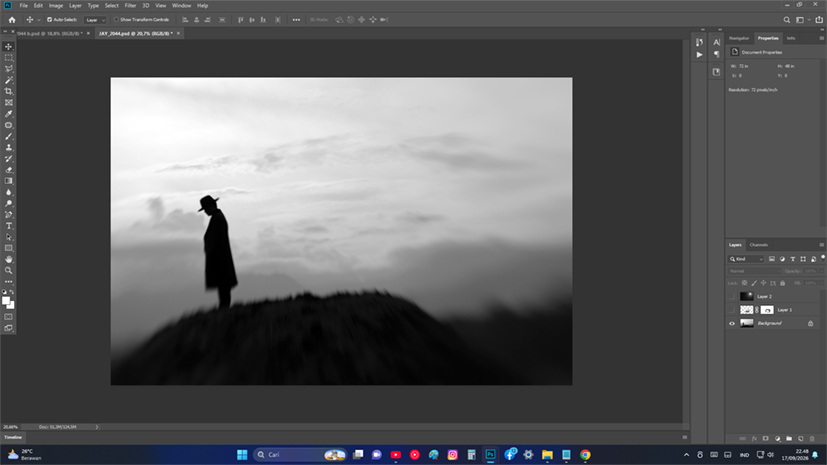
The purpose was not simply to add another person to the photograph, but to create a second presence that would contribute to the story.
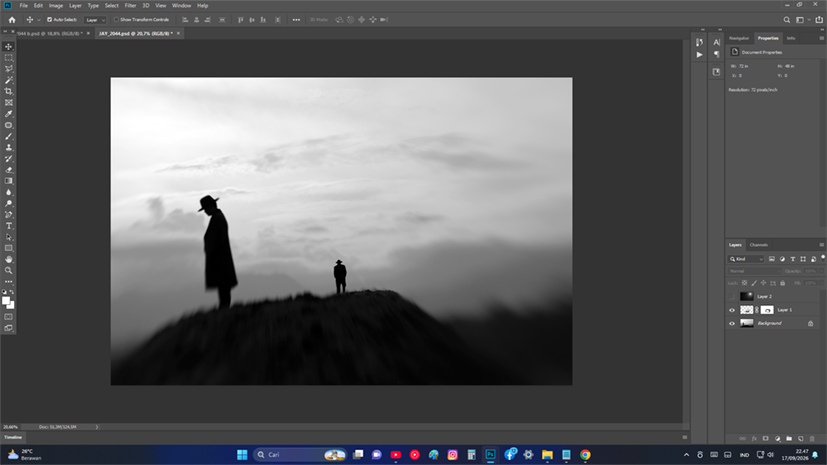
Combining the Second Figure with the Main Image
I placed the second figure on a new layer above the main photograph. I then adjusted the figure's scale, position, distance and proportions in relation to the main subject until the overall composition felt balanced. For the blending process, I used the Pin Light blending mode. Using a Layer Mask and Brush Tool, I then gradually removed the areas of the second image that were not needed. Rather than deleting the unwanted areas permanently, I used masking to control exactly which parts remained visible. I adjusted the brush opacity according to the area I was working on to allow the edges and transitions to soften. This helped the second figure blend naturally into the atmosphere of the original photograph.
Adding the Moon
Once the two figures were integrated successfully, I added a stock photograph of the moon, which I had also photographed using the Lensbaby lens.
I positioned the moon in the upper-right area of the composition to strengthen the visual balance and reinforce the symbolic meaning of the image.
The moon became the third layer. I deliberately did not cut the moon out from its original photograph. Instead, I placed the entire image over the composition and reduced its opacity to 51%. This decision was important because the moon photograph did not simply function as an isolated object. Since the entire image was layered over the main photograph, it also affected the overall light, darkness, and atmosphere of the composition. The moon therefore became part of the tonal structure of the image rather than merely an added graphic element.
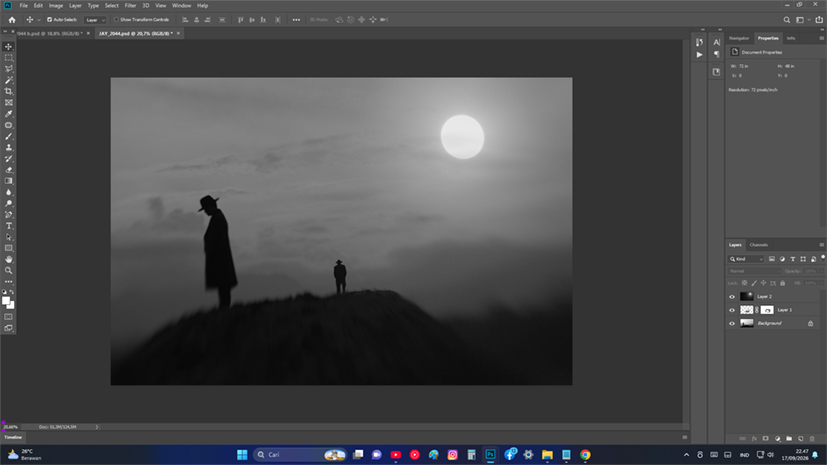
Establishing the Color and Mood
After completing the composition, I moved into the color-grading stage. Before making the final tonal corrections, I first transformed the original colors into a muted yellowish-purple, or violet-golden, palette. For this process, I used Nik Collection – Analog Efex Pro 2, specifically: Classic Camera 2. Here I worked with several aspects of the image, including: colour, contrast, highlights and shadows, noise, film characteristics, and overall tonal atmosphere. I used the Neutral Faded type and adjusted the Strength gradually until the desired mood began to emerge. I was not trying to create a strong or overly saturated color treatment. I wanted the image to feel soft, aged, hazy, distant, and slightly ambiguous—a visual atmosphere that could support the idea of an internal journey.
Strengthening the Colour Balance
After establishing the basic color palette, I used Nik Collection – Color Efex Pro 4, specifically: Cross Balance. I used this effect to deepen and balance the overall color relationship within the image. At this stage, I paid particular attention to how the color, light, fog, moon, and silhouettes interacted with one another. My goal was for these elements to feel as though they belonged to the same atmosphere, rather than appearing as separate components.
Final Light Correction
The final stage was the tonal correction using Curves. I adjusted the Curves according to the overall image, carefully balancing the relationship between: highlights → midtones → shadows. I did not want the moon to become too dominant, but I also wanted the human figures to retain enough definition to remain visually present. The final adjustments were made until all of the elements felt as though they existed within the same space, light, and atmosphere.
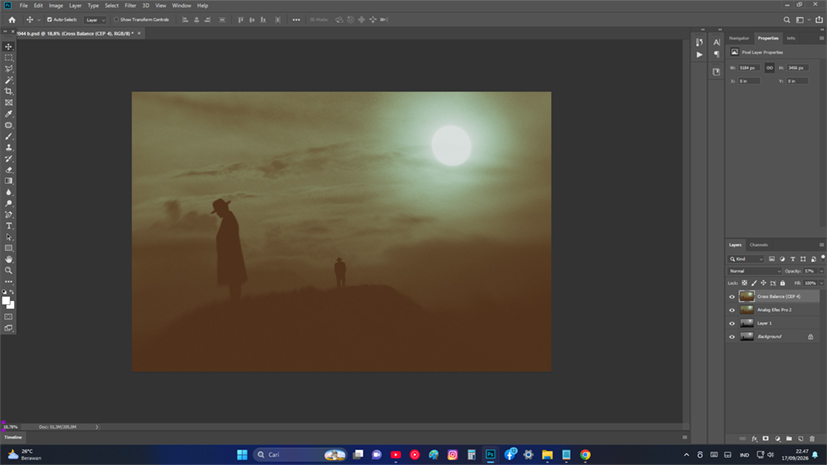
To me, these techniques were never just about manipulating an image. Each element was chosen to contribute to the story. I didn't want to create a visually complicated image just for the sake of it. I wanted every element to speak the same visual language.
'Lost Harmony' is therefore more than just a photograph. It reflects my personal journey — a process of learning to restore balance between the heart, the mind and desire.
Perhaps harmony was never truly lost.
Maybe it was merely concealed beneath the fog within us, waiting to be rediscovered.
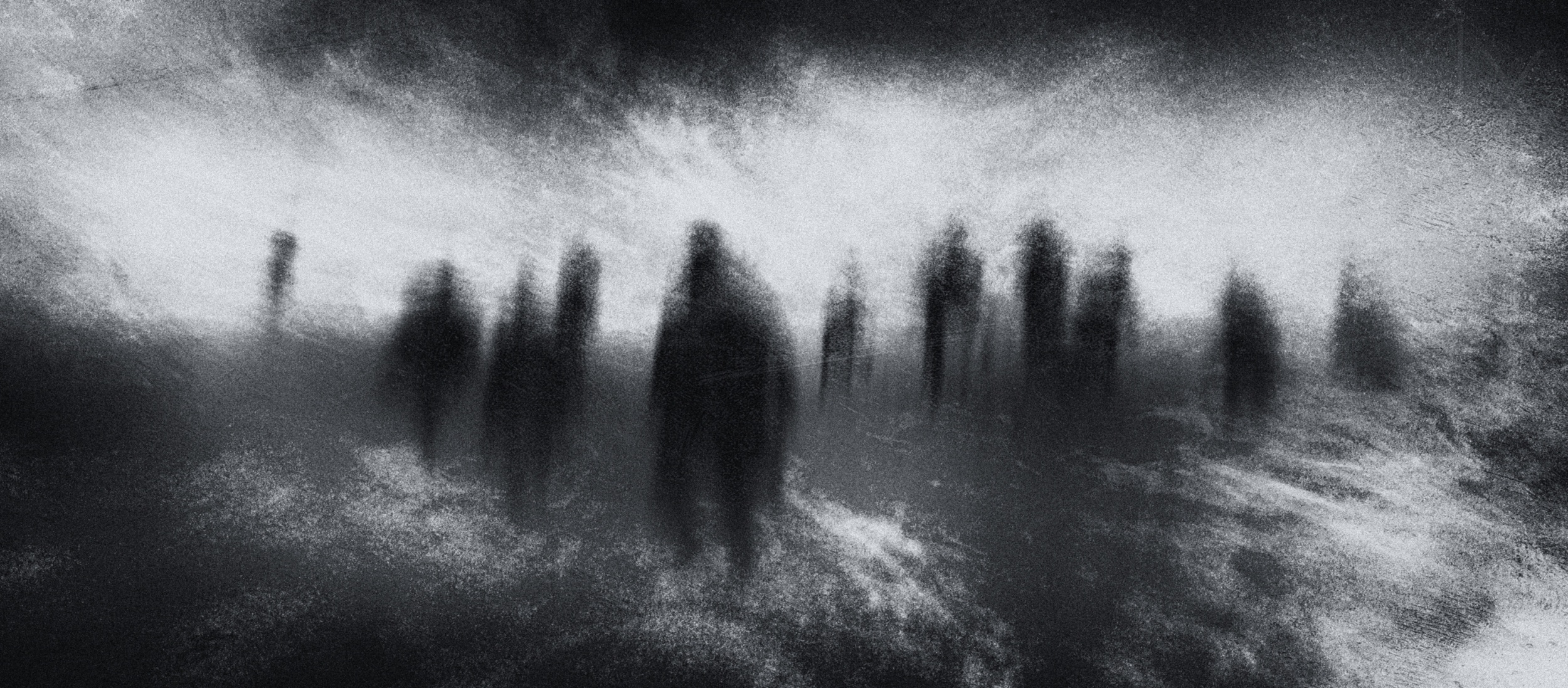
‘Lost Souls’
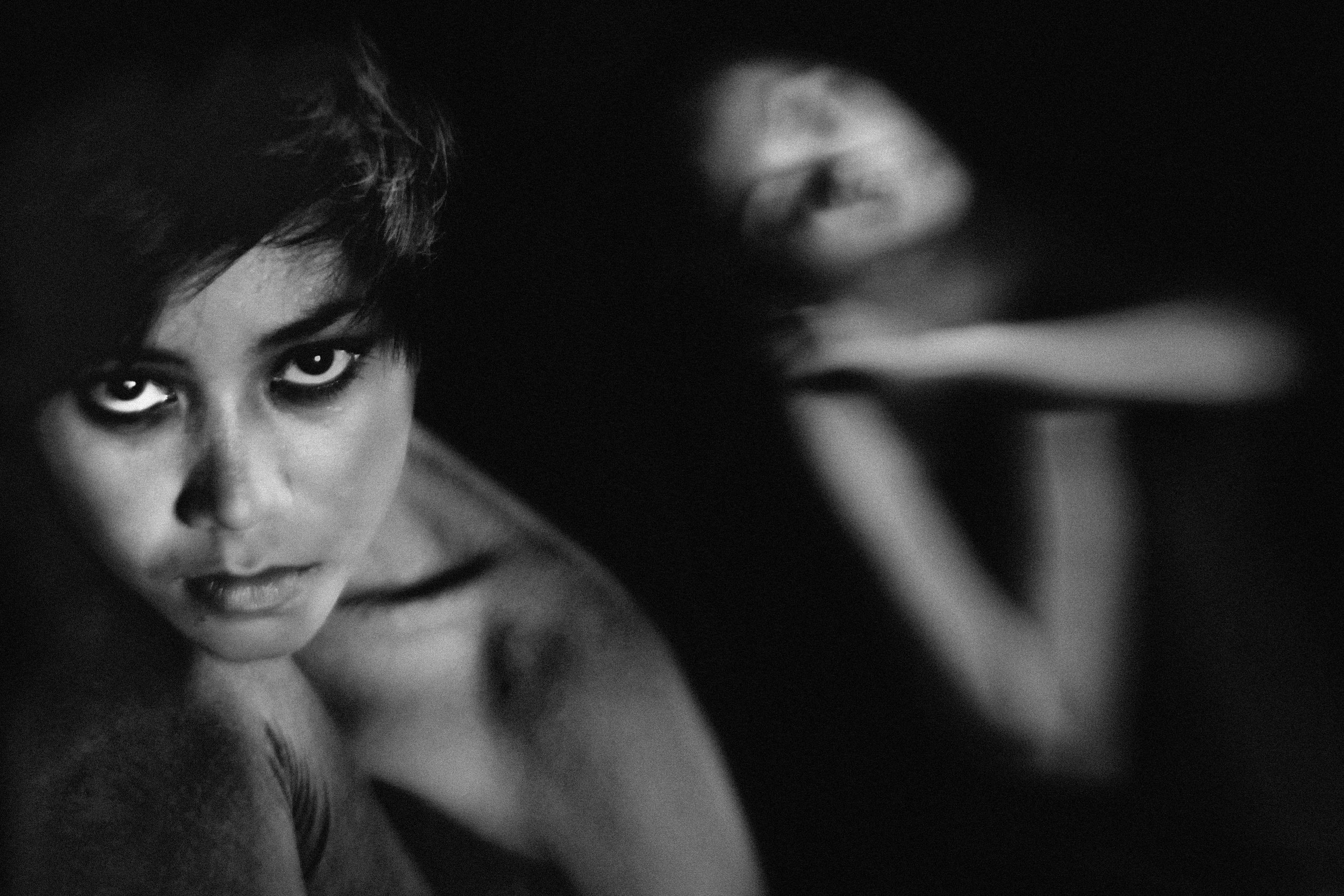
‘Emotion’
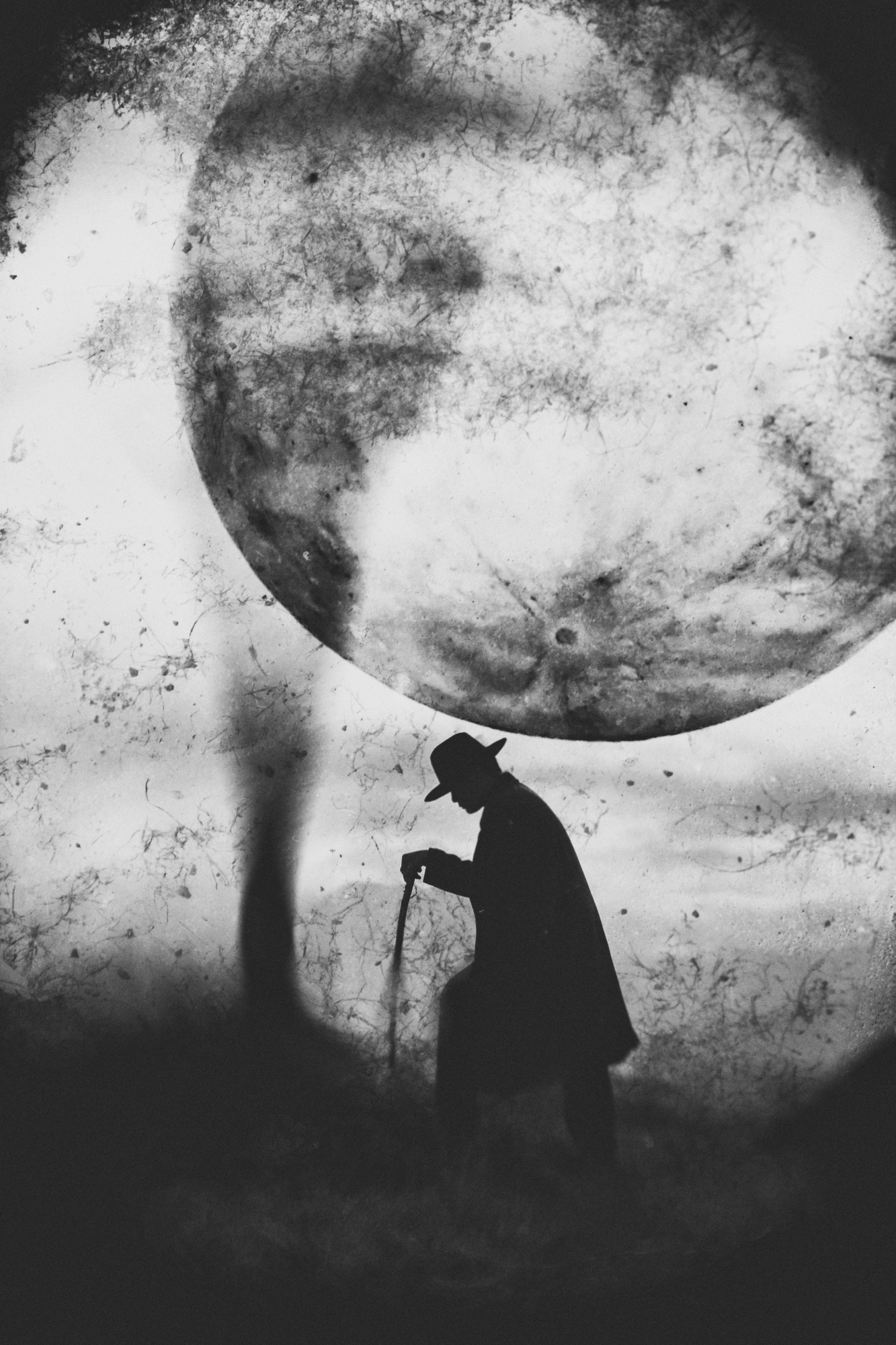
‘Keeper of Lost Time’
BIOGRAPHY
I was born in 1983 in Ciamis, West Java, Indonesia.
My interest in photography was first sparked by my late father's analog camera. That initial curiosity developed into a more serious pursuit in 2004, when I began assisting friends with various wedding and pre-wedding photography projects. Through these experiences, photography gradually became an important part of my creative journey.
My professional path continued with the establishment of Warna Photography, a business built from the ground up, at a time when I did not yet own a camera, lighting equipment, or a computer.
|
| | I like your amazing work very much, dear Jay! Congratulations! Thank you very much to Michel and Yvette! |
| | Thierry Dufour PRO Great work, I like very much, congrats Jay !!! |
| Jay Satriani PRO Thank you very much my friend, I am very happy that you appreciate your outdoor work in your category... I love your macro gallery which is inspiring and full of creativity.. regards |
| | Jay Satriani PRO I extend my sincere gratitude to the brilliant editor Michel Romaggi and my dear friend Yvette Depaepe, who tirelessly work to nurture, support, and motivate artists to keep creating and to share their life journeys through diverse genres of photography.
Thank you, 1x, for providing a space where photographers from around the world can share their emotions, ideas, and stories through the visual language. May 1x continue to thrive and inspire the creation of meaningful work. My respect and appreciation go to the entire team that has been part of this journey. Best Regards Jay from Indonesia |
 | Adolfo Urrutia PRO Thank you so much, Jay, for sharing your art and your process with this beautiful image. The poetic quality of your work is very evocative and inspiring. Congratulations ! |
| Jay Satriani PRO Thank you very much, my friend Adolfo. I truly appreciate every kind word and the sincerity you have expressed. My respectful regards and sincere appreciation to you, my friend. |
| | Rana Jabeen PRO Dear Jay
"loss is not just about something slipping away; it's about what remains in our hearts: memories, emotions, lessons and meaning" Your words resonate with me .
I truly admire your work for it's uniqueness and deep feeling it generates. It was wonderful and inspiring to read the technique and detailed description behind your art.
My best compliments to you. |
| Jay Satriani PRO Thank you so much, my friend Rana. It brings me great joy when my work touches someone's heart. Every life experience and journey is part of the learning process that I strive to express through my art, using symbols and metaphor to convey meanings that words sometimes cannot capture.
I also truly admire your gallery. I can sense how your soul has become one with every piece you create. Sending you my sincere respect and appreciation, my friend. |
 | Abhijit Sen PRO very detailed oriented writing and excellent result at the end |
| Jay Satriani PRO Thank you very much Abhijit Sen... I hope my experience provides positive energy...best regards |
 | Jane Lyons CREW Jay, thanks so much for revealing both the technical process and your spiritual journey.
Your work has always resonated with me, and now I understand why—it feels deeply introspective, searching, and profoundly human.
Knowing what lies beneath the images makes them even more powerful. |
| Jay Satriani PRO Thank you once again, my dear friend Jane. If a work resonates with you, perhaps it is because the soul can sense the frequency that emanates from it. Not everything can be perceived through the physical eyes alone. Some things can only be felt through the inner sense within us, while the mind simply conveys what the soul has already felt.
My deepest gratitude also goes to all the crew, editors, founders, and everyone who has contributed to building 1x, as well as the curators who dedicate their time and passion to giving artists a space to grow and share their work.
I truly appreciate being here as a photographer, having the opportunity to share, explore, and express my artistic vision through photography.
Respectful greetings to all the wonderful artists at 1x. May we continue to discover meaning—not only through what we see, but also through what we feel. Best Regards Jay from Indonesia |
by Editor Fernando Coelho
Edited and published by Yvette Depaepe, the 5th of October 2026
Seeing the conversation between haiku and photographs
One might argue that adding a title to a photograph reveals too much. It removes the viewer’s freedom to interpret it.
What you want to say may differ from what others see. Photography often works through suggestion and ambiguity, which titles can undermine. Words shouldn’t get in the way. They may be there together with your photograph if they add value. If your photograph is like a finger pointing to the moon, you don’t want any jewels on the finger to distract viewers from the moon.
But what if there is a middle path?
A way to pair images with words that don’t dictate meaning but instead dance alongside them, opening new dimensions of interpretation?
This is where I found haiku.
Pairing photographs with haiku
I love to rediscover lost photographs. Listen to them. Resurrect them and give them a new space to breathe. Over the past few months, I’ve explored the mindful practice of pairing photographs with the simple yet powerful three-line traditional Japanese poems known as haiku. This project has allowed me to revisit both recent and long-forgotten photographs.
Unlike titles that can narrow interpretation, haiku form a partnership with the photograph — neither dominating the other, but each enhancing the viewer’s experience. The photograph serves as the visual anchor; the haiku adds emotional depth without explaining away the mystery.
What makes a haiku?
Traditionally, a haiku is a short, unrhymed poem. In English, it typically follows a three-line, 5–7–5 syllable structure. Though brief, haiku can be challenging yet deeply rewarding to write. A typical haiku captures a single moment in time and often juxtaposes two images to create contrast or evoke emotion. To help indicate this “cut” between the two parts, many poems use punctuation, typically a dash ( — ) or an ellipsis ( … ). They also often start with lowercase and may not end with a period. This suggests the poem’s start and end are both “open,” broadening its effect.
The form originated in Japan centuries ago and has achieved worldwide success due to its elegant simplicity.
One of the most famous haiku, written by Japanese master Matsuo Bashō (1644–1694), exemplifies the form’s quiet power:
an old silent pond…
a frog jumps into the pond,
splash! Silence again.
This isn’t merely a description of what happens — it’s an invitation to experience the moment, to feel the contrast between stillness and disruption, to witness the return to silence with newly awakened senses. Now, picture these simple poems together with photographs.
A conversation between image and text
Photography frames single moments, capturing the essence of a scene in a single image. Street photography captures glimpses of human nature within an urban environment, often spiced with contrast or irony. It shares surprising similarities with haiku. Both art forms aim to distill complex experiences into their essential elements. They thrive on the tension between presence and absence, on what is shown and what is merely suggested.
I love to tell stories about photographs. I have a collection of short fictional tales inspired by some of them, which I call “Snapshots.”
Pairing haiku with photographs is a refreshing new challenge that can bring your images to a new dimension.
Let me give you a first example based on a photograph made in the center of Utrecht last December.
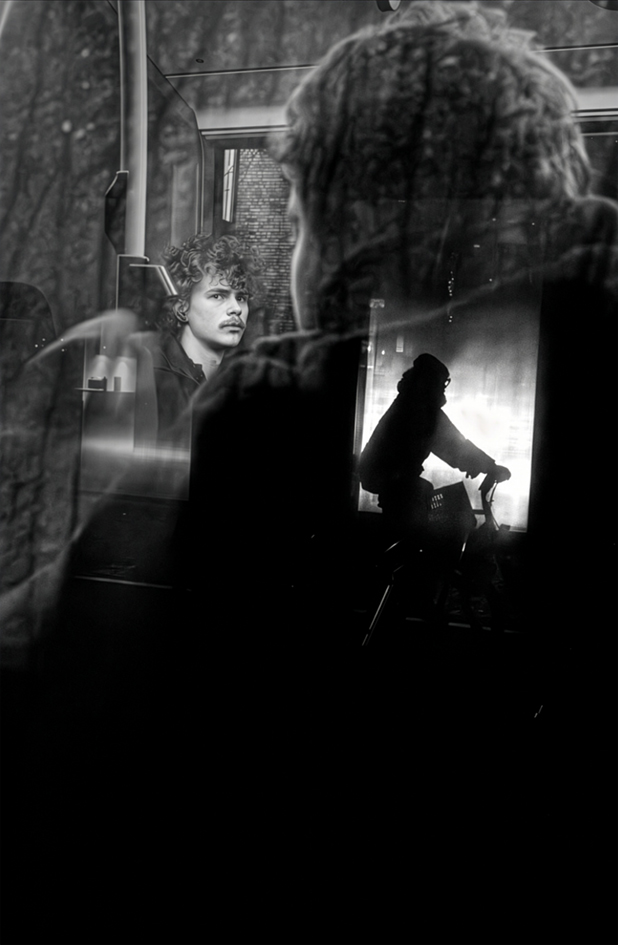
a man looks surprised —
another frames a biker.
Wait…we’re all framed too!
Let’s depict it.
Line 1 sets the scene: someone reacting with surprise.
Line 2 adds a new layer: someone *framing *a cyclist (without noticing it)
Line 3 delivers a shift in perspective: the realization that everyone in the frame is “framed” in some way — literally, as in the photo, or metaphorically in life.
These three lines work as a haiku because they follow the syllable structure, capture a moment, and end with a turn. It uses minimal words to suggest something larger, which is at the heart of haiku. The text enhances the meaning of this photograph made close to a bus’s window on that night in the city center. Both capture a moment. They dance *together, merging what is *seen with what is felt.
Although the photograph works on its own, when mixed with those three lines, becomes different. The haiku serves as a lens, focusing attention while opening doors to new perspectives.
Yet another pairing based on a photograph I made a couple of years ago inside the Ribeira tunnel in downtown Porto. The composition isn’t groundbreaking, and I got lucky with the wet sidewalk behind the subject. The haiku brings the photograph to life, showing how words can reshape an image.
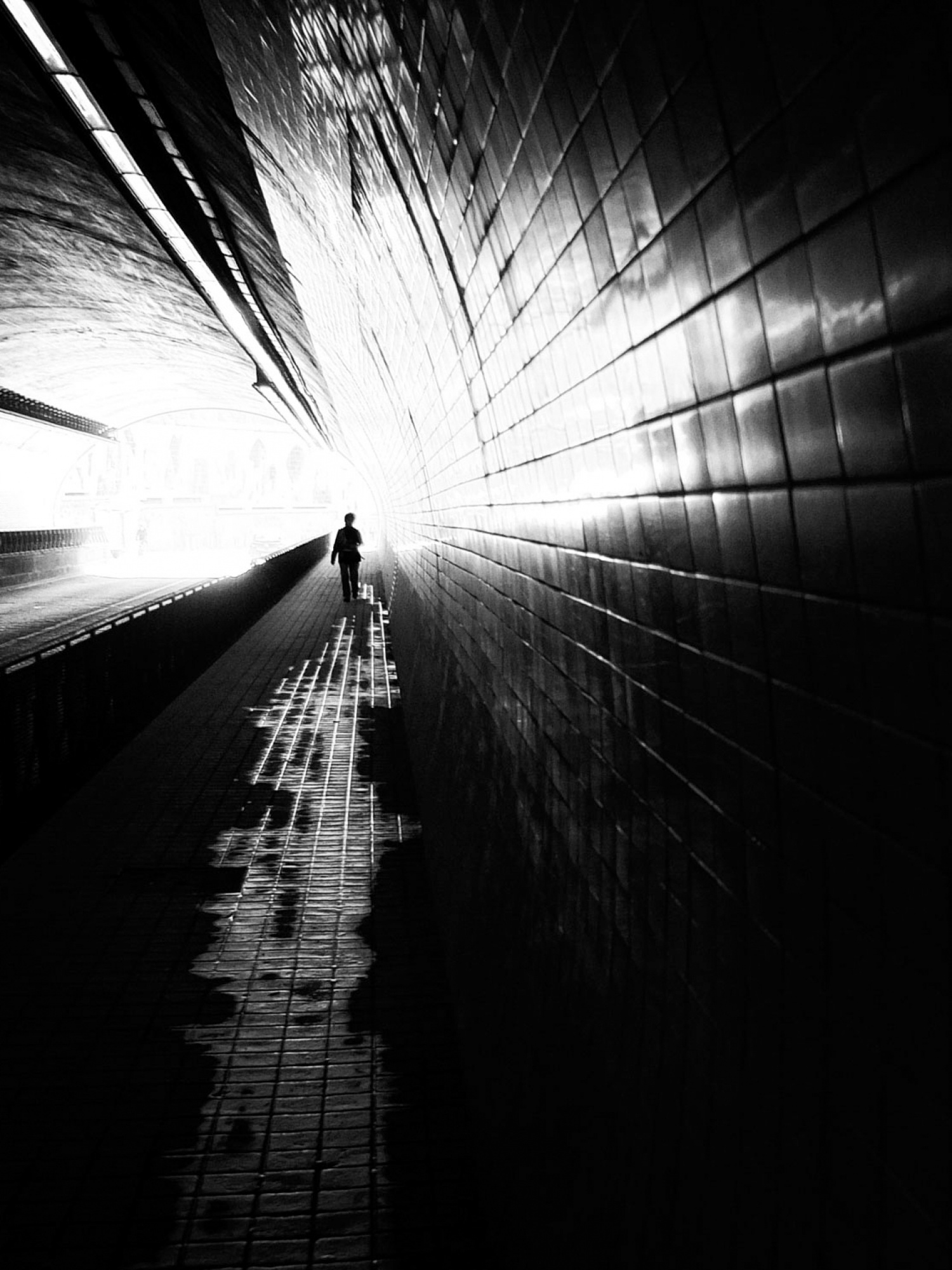
blood is flowing out —
she just made it out alive
freedom lies ahead
The words don’t explain the photograph; they expand it, suggesting a narrative of danger, survival, and hope.
Poetry for the rest of us
The writing process itself is a delightful puzzle — working within the 5–7–5 structure forces precision and economy.
As I look at the photograph and picture myself there again while releasing the shutter, I often jot down initial impressions, then refine and reshape until the syllables and the juxtaposition align with both the formal requirements and the emotional substance of the photograph. It’s a puzzle, and a fun one to solve. With only seventeen syllables and three lines to create a meaningful symbiosis with your imagery, every word must earn its place.
Observe, close your eyes, and choose the strongest line of the script suggested by your photograph. The rest will come naturally.
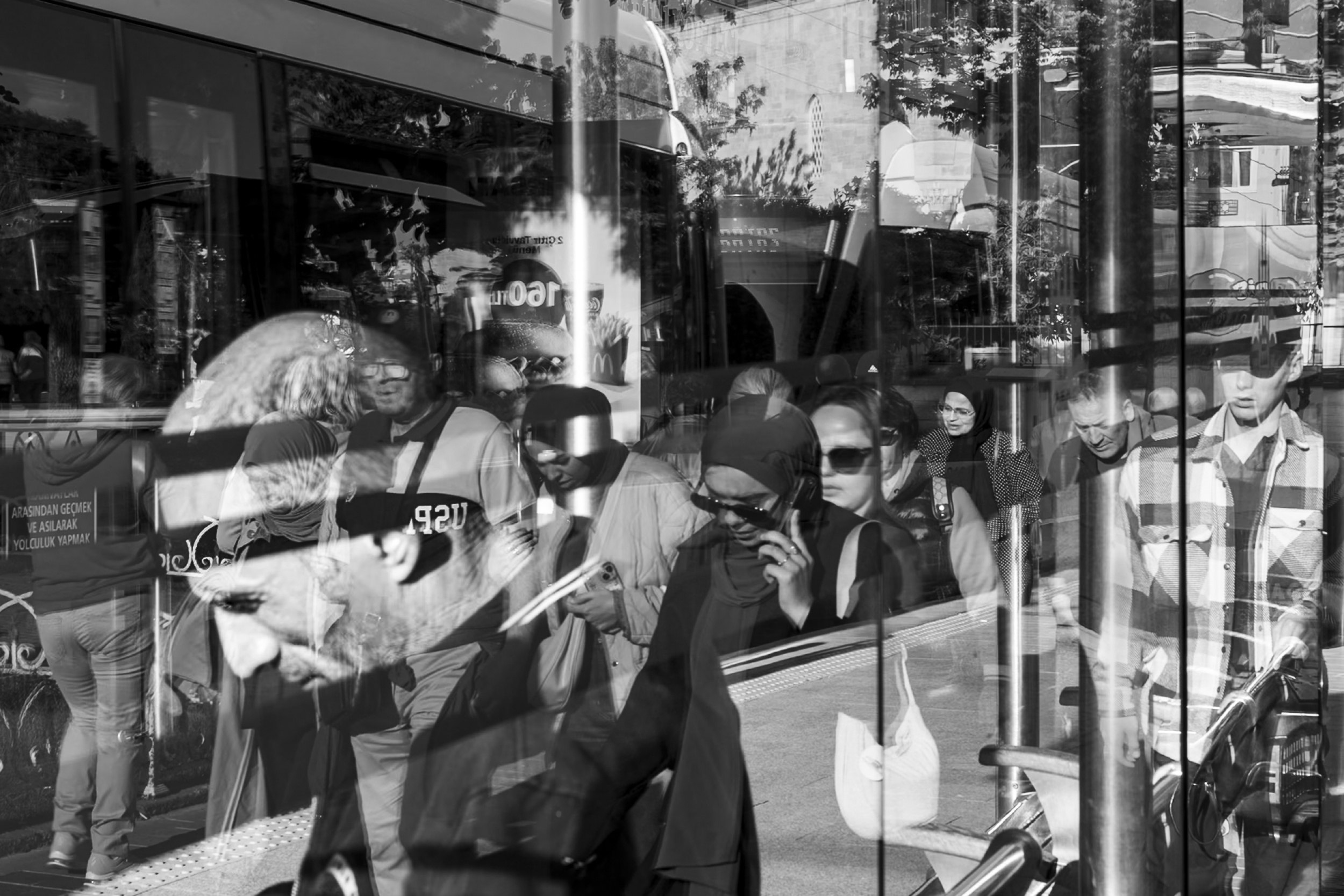
the bald man, elsewhere —
commuters pass through his thoughts,
lost in their own worlds
Being a street photographer doesn’t necessarily mean that you only make photographs on the street. Photography and words dancing together can generate fresh meaning and give different perspectives.
Each haiku acts as both a companion and a counterpoint to its paired photograph, creating a dialogue that reveals unexpected connections.
Most importantly, combining these media strengthens both — the image gives context to the poem, and the poem adds emotional dimension to the image.
In a world of constant noise, where images flood our senses and words often go unheard, merging photography with haiku offers a fresh and quiet angle that invites you to pause and reflect.
Have you ever tried combining your photography with poetry or other written forms?
You may discover stories about the power of purifying rain…
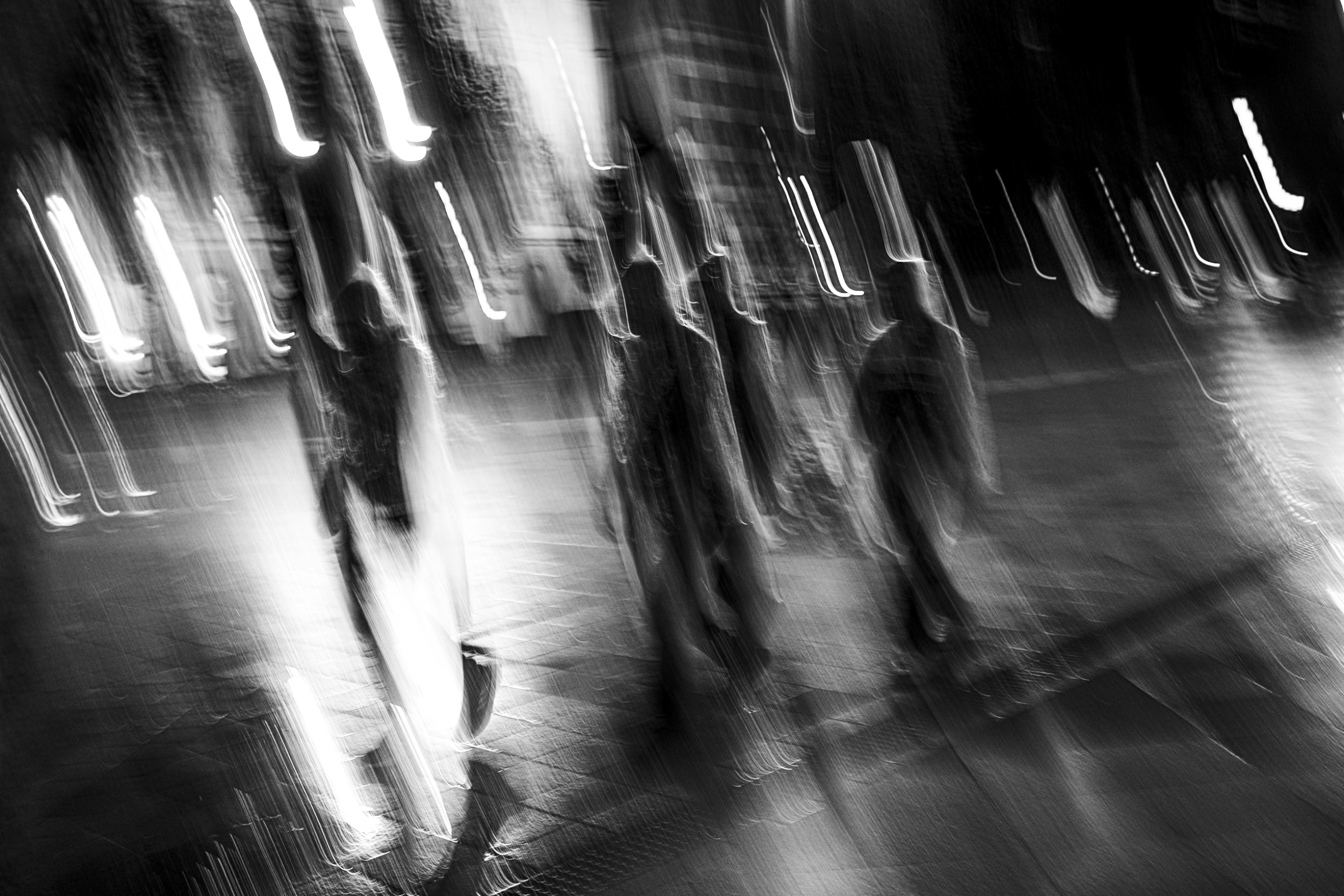
the harsh day is gone —
rain city night unfolds
water smooths their souls
Ephemerality…
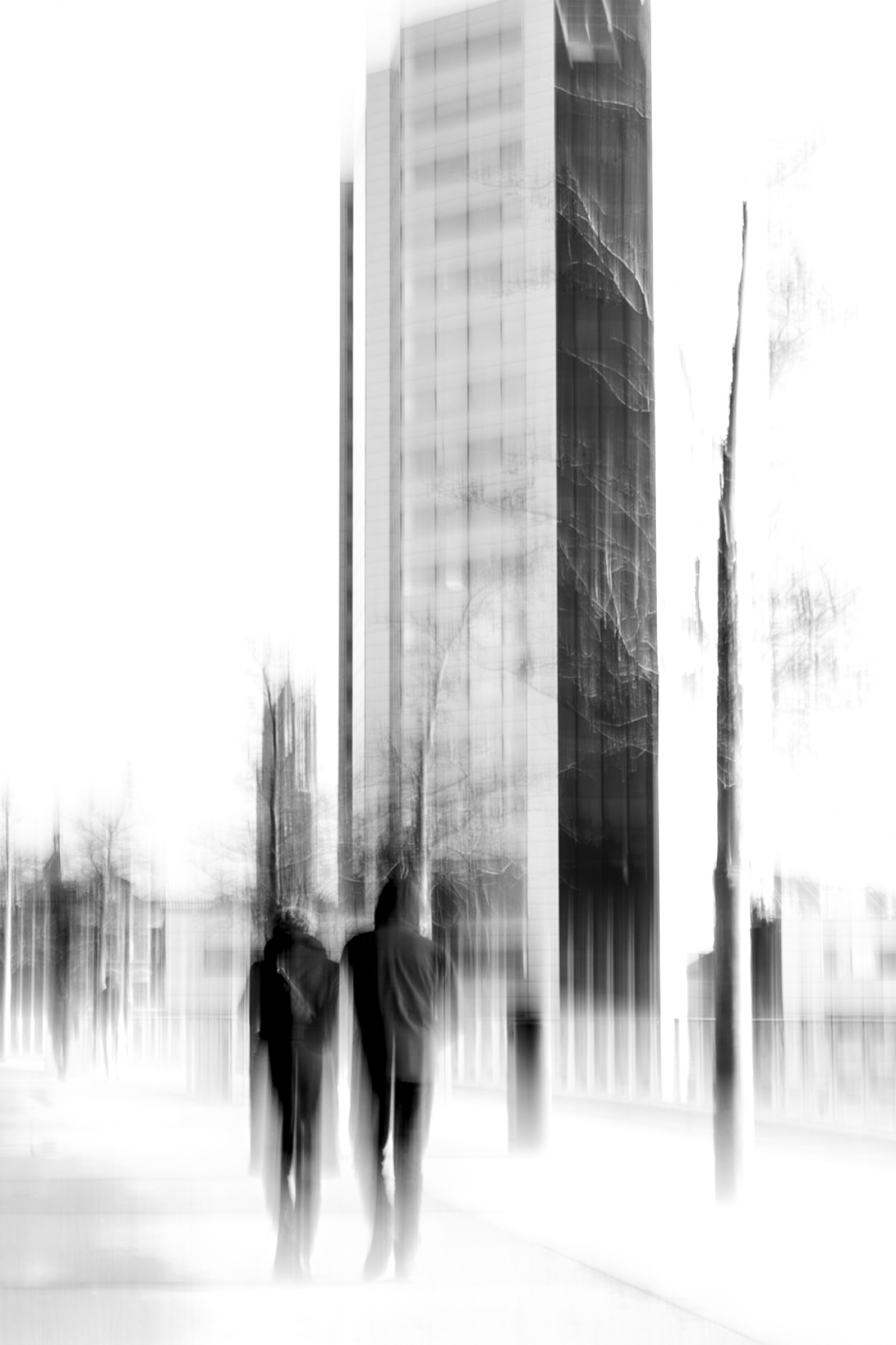
together they go
the obelisk is waiting —
together they fade…
Or, close encounters…
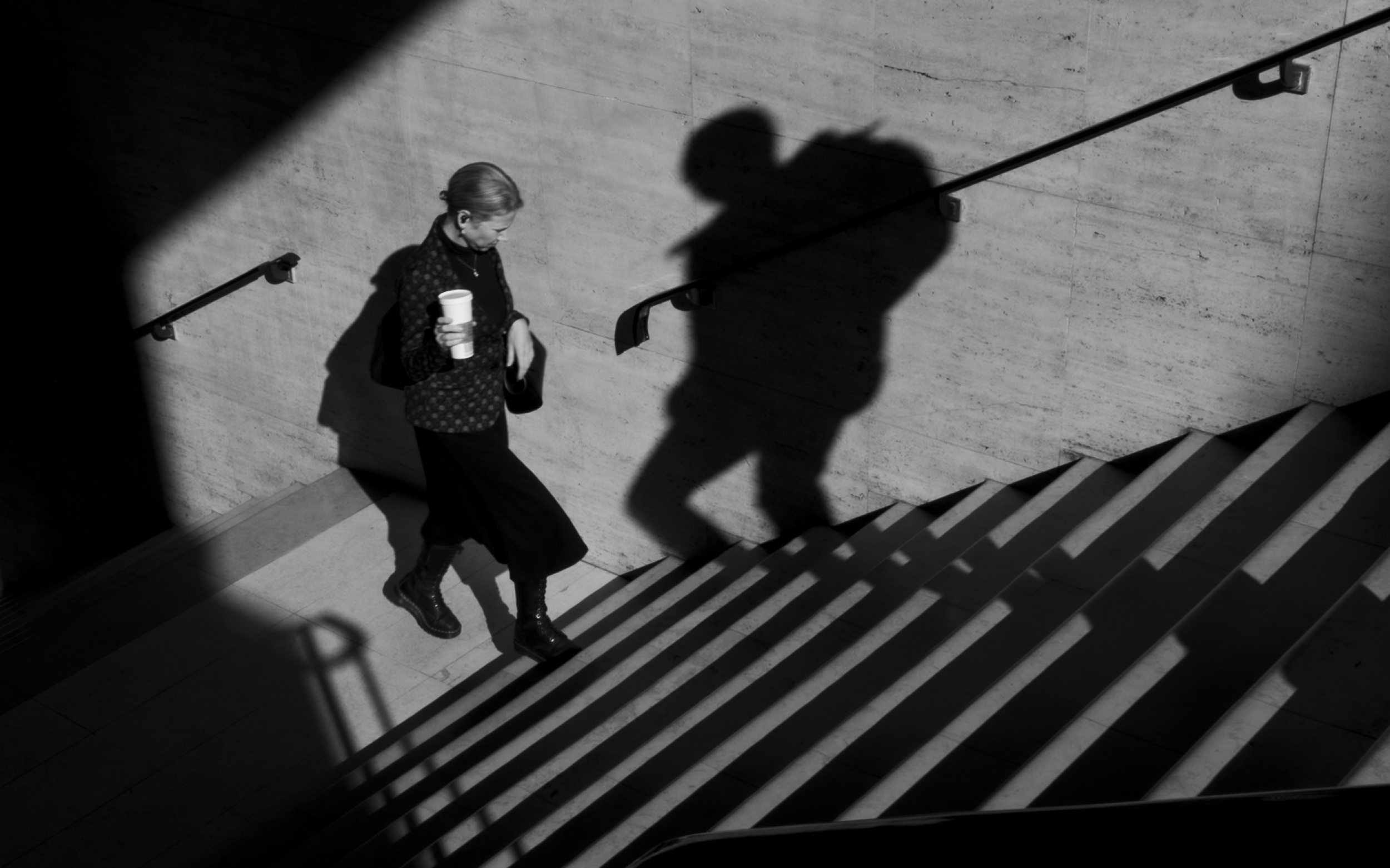
impermanence walks —
bodies rise, shadows descend,
anonymous clash
“When people look at my pictures I want them to feel the way they do when they want to read a line of a poem twice.”
~ Robert Frank ~
|
| | DonnaHom APA PRO Oh, I mis-placed my last comment, it was written for the other magazine. This comment now is for this edition. Thank you sharing your knowledge about Haiku writing. Your Haiku writing is truly poetry. It is simply, easy to understand, describing the image, yet, the third line is a philosophy one. I love it. Thank you c |
| | DonnaHom APA PRO In this visual language edition, I not only enjoyed your rich visual language expression but also your thoughts throughout the development. You described not only the idea realization steps but also the detail technical steps. Thank you for sharing your images and thoughts. Congratulations on the publication. Thanks to editors. |
 | Sokol Priftaj PRO This is so inspiring, I love the text and photos. A million thanks for sharing, and congrats. |
| | Jane Lyons CREW Thanks for this Fernando. It is very inspirational. |
| | Miro Susta CREW Very interesting article, very interesting photo technique, thank you Fernando and Yvette for bringing it to us |
 | Cicek Kiral CREW Thank you for both the article and the photographs...Congratulations... I am always ready to see more. Thanks also to Fernando and dear Yvette... |
 | Christof Mueller PRO I very much agree with the article. Thank you for this. It is often said that a picture is worth a thousand words. A haiku or a poem, in turn, can distil a whole moment, a mood, sometimes even an entire world into just a few words. To me, image and poem are not in competition; they can complement one another beautifully and deepen the way we see the subject. |
 | Roberto Miniero PRO Thank you for your article. I enjoy the pics with differenti layers |
 | Steven T CREW Fernando,
Haiku to thank you / for photographs, thoughts, and words / in a fine balance |
 | Susi PRO What an interesting articule! The combination of images and syllables is beautiful. Thank you for sharing it. |
By Editor: Marius Cinteza
Published by Yvette Depaepe, the 2nd of October 2026
This months' featured exhibition is titled 'Structures of the city' by Arnon Orbach
1. Chromatic structures: Geometry and colors
2. Urban surfaces: Reflection, layer and abstraction
3. Architecture rhythm: Movement, space and scale

'Architecture detail - Orlando, Florida'
Arnon Orbach’s exhibition “Structures of the City” invite viewers to pause and rediscover the quiet poetry of everyday urban scenes.
Renowned for his striking urban photography, Arnon reveals the character of modern architecture through weathered textures and fleeting moments of daily life in cities around the world.
This exhibition serves as a visual journey through bustling streets and forgotten alleys, transforming mundane facades, windows and structural lines into captivating abstract compositions. Arnon has an extraordinary eye for geometry, light and shadow, skillfully balancing raw industrial and urban elements with a deep sense of human presence.
What makes this exhibition so engaging is its authenticity: rather than romanticizing the city, Arnon Orbach celebrates its raw character - the peeling paint, aged brickwork and accidental symmetry found in urban decay.
This thoughtful, grounded art collection reminds us that beauty is everywhere if we simply take the time to notice. It is both a striking and inspiring experience for anyone who appreciates contemporary street photography and modern design concepts.
This exhibition which will be exposed on our opening page / Gallery throughout October 2026.
Click here to see the entire exhibition: [673] STRUCTURES OF THE CITY by Arnon Orbach
To trigger your curiosity, here is a short selection of images from each chapter ...
1. Chromatic structures: Geometry and colors
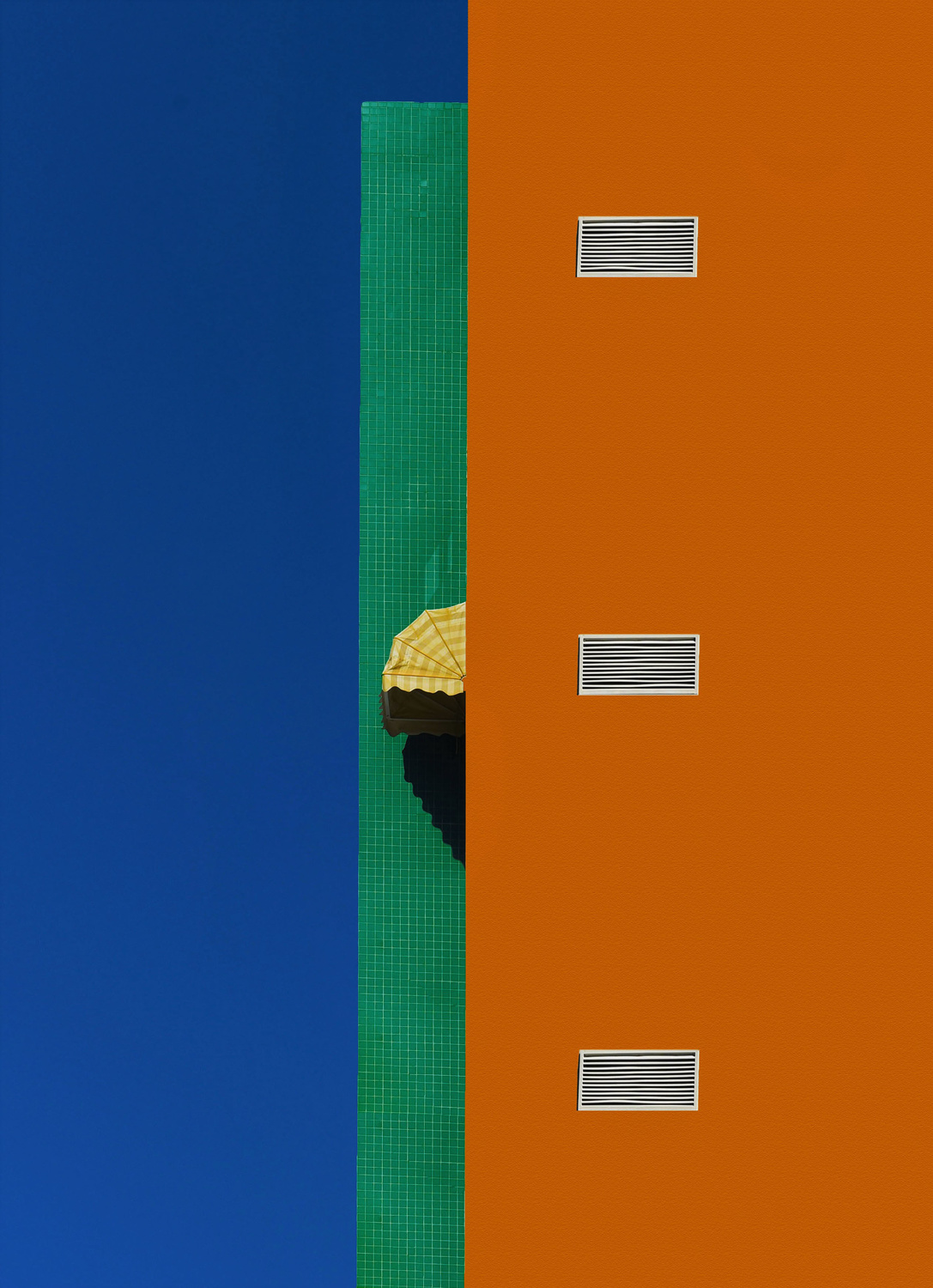
'The yellow canopy'
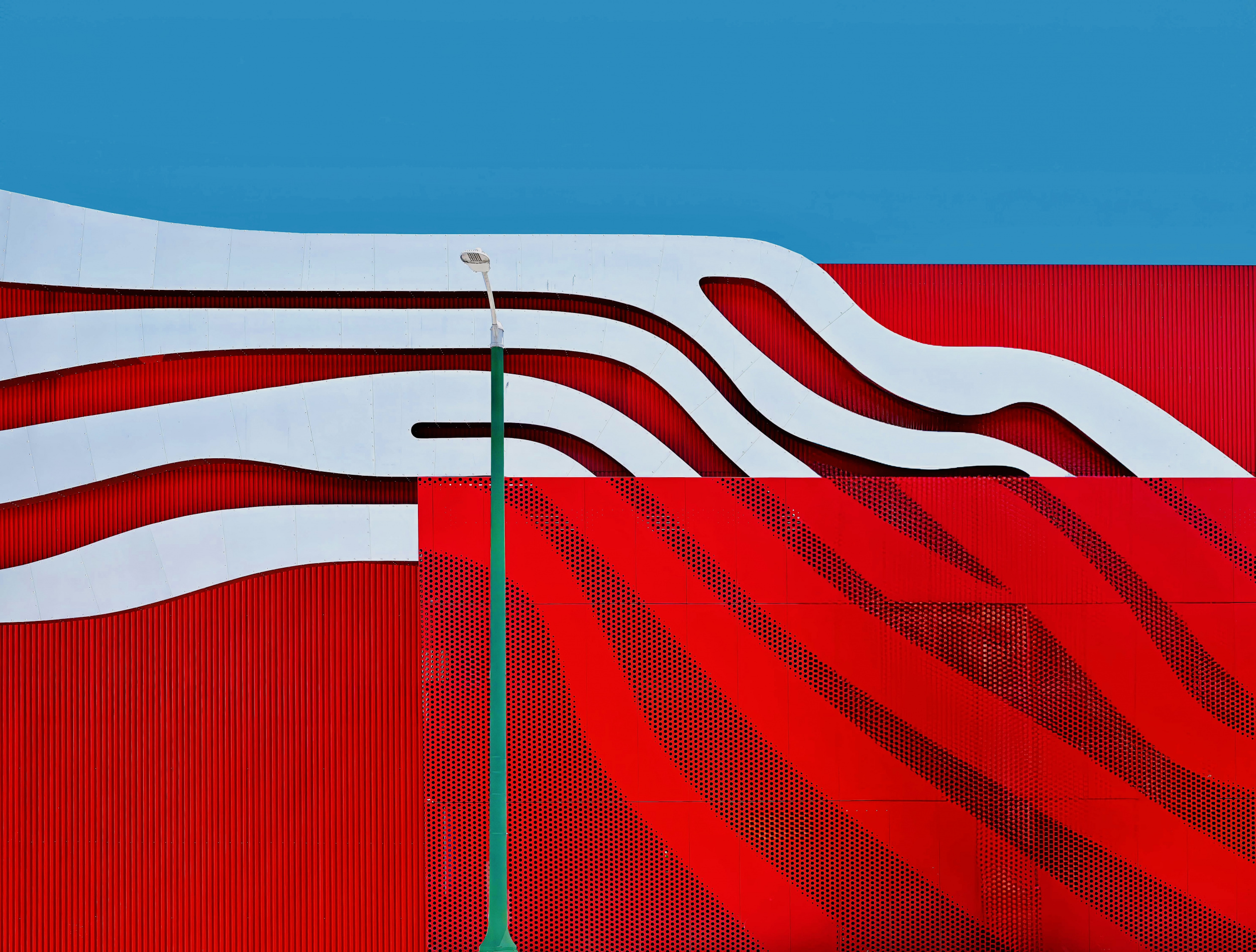
Architecture -Peterson Automotive Museum Los Angeles California
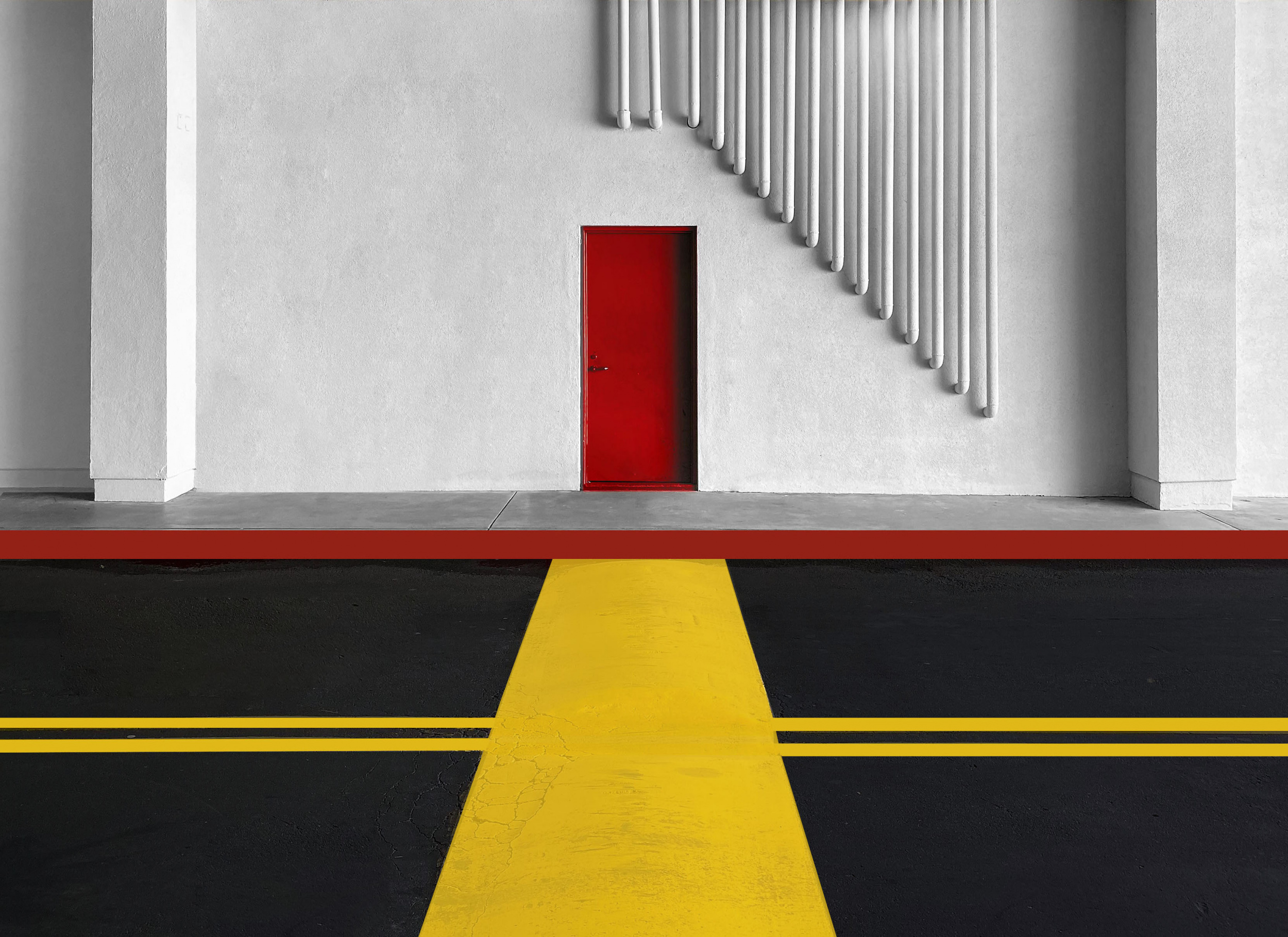
'The red door'
2. Urban surfaces: Reflection, layer and abstraction
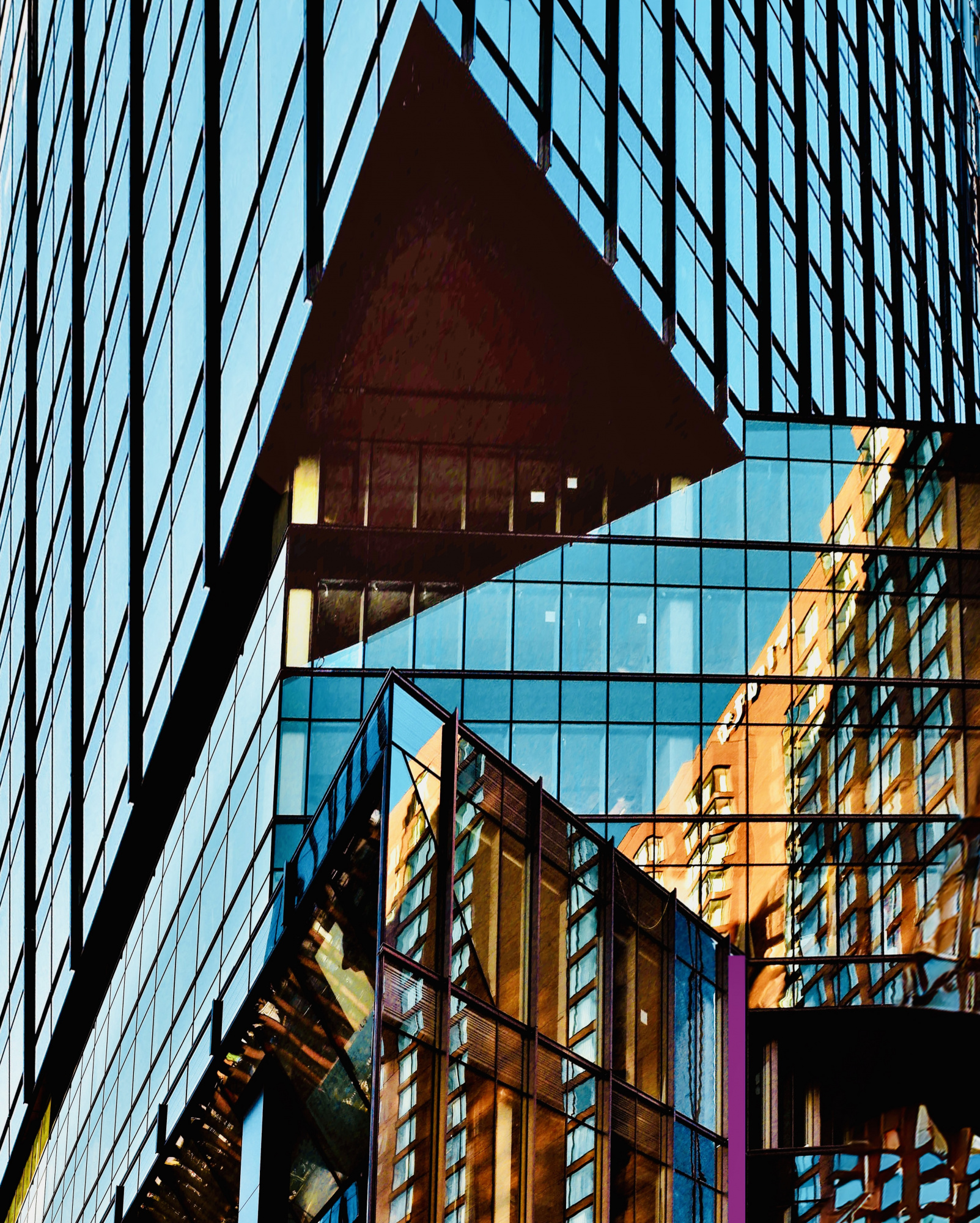
'Reflections - Manhattan New York'
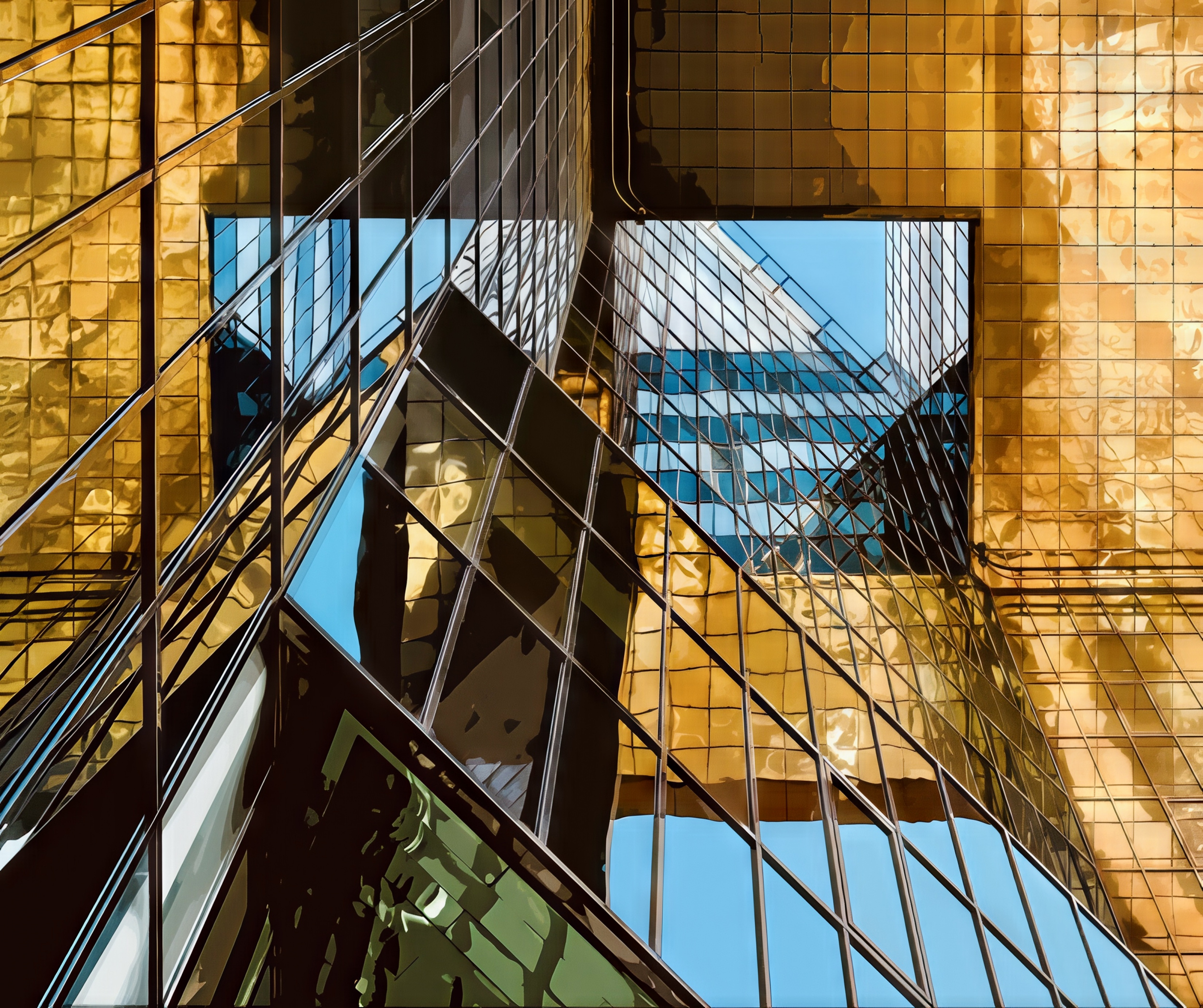
'Modern Architecture - London UK'
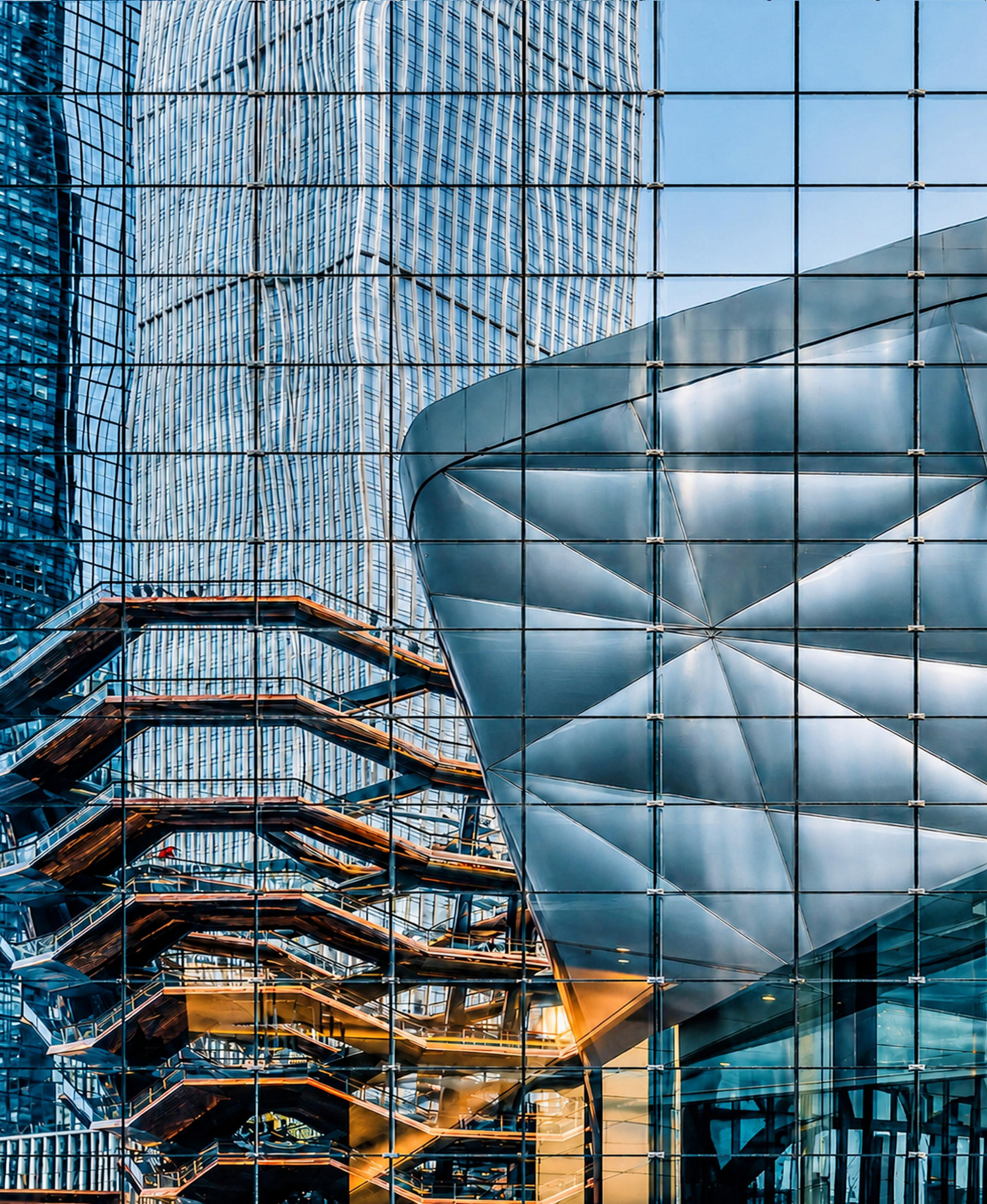
'Reflections in glass - Ground Zero, Manhattan, New York'
3. Architecture rhythm: Movement, space and scale
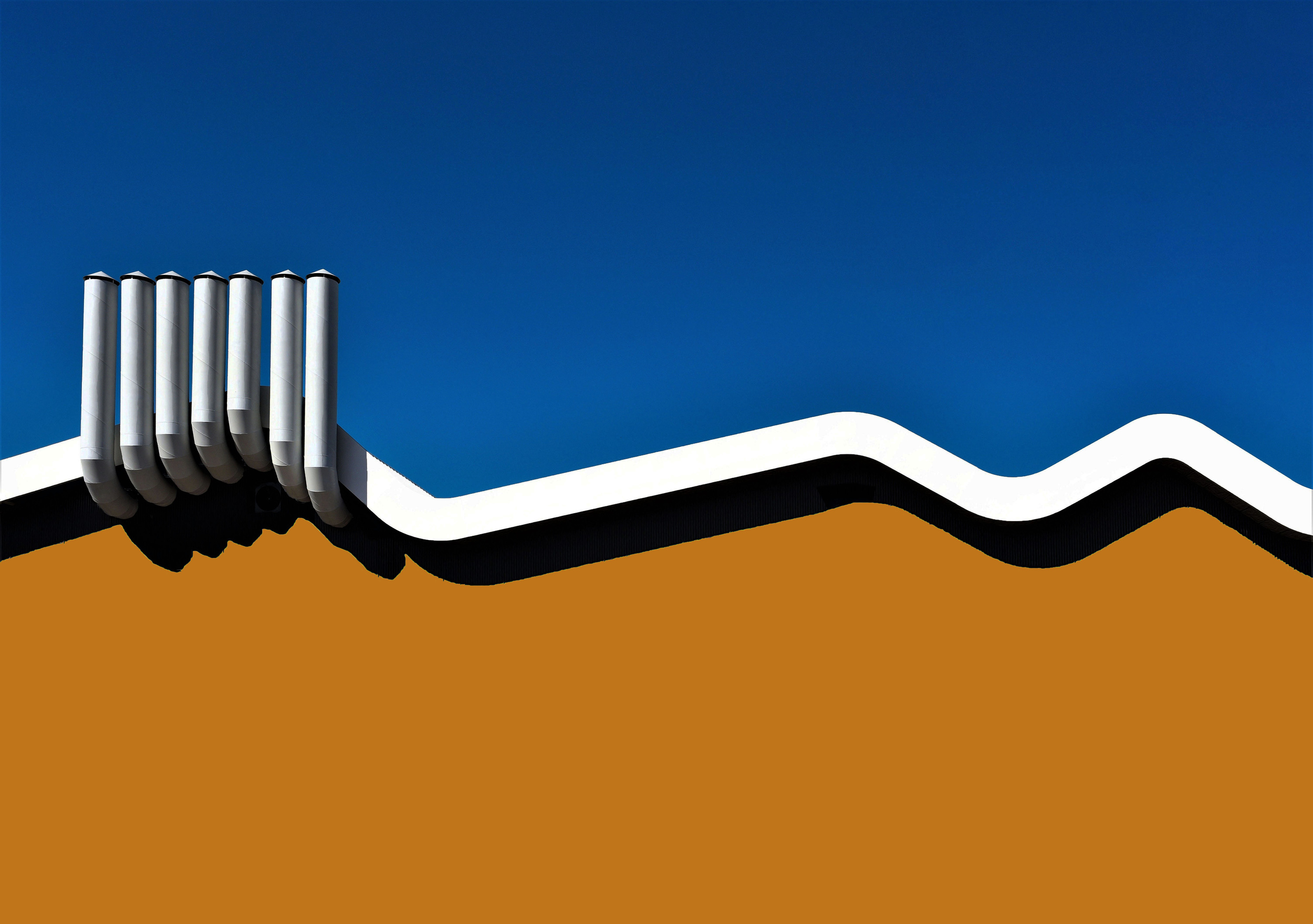
'Freedom 2' (Tel Aviv)
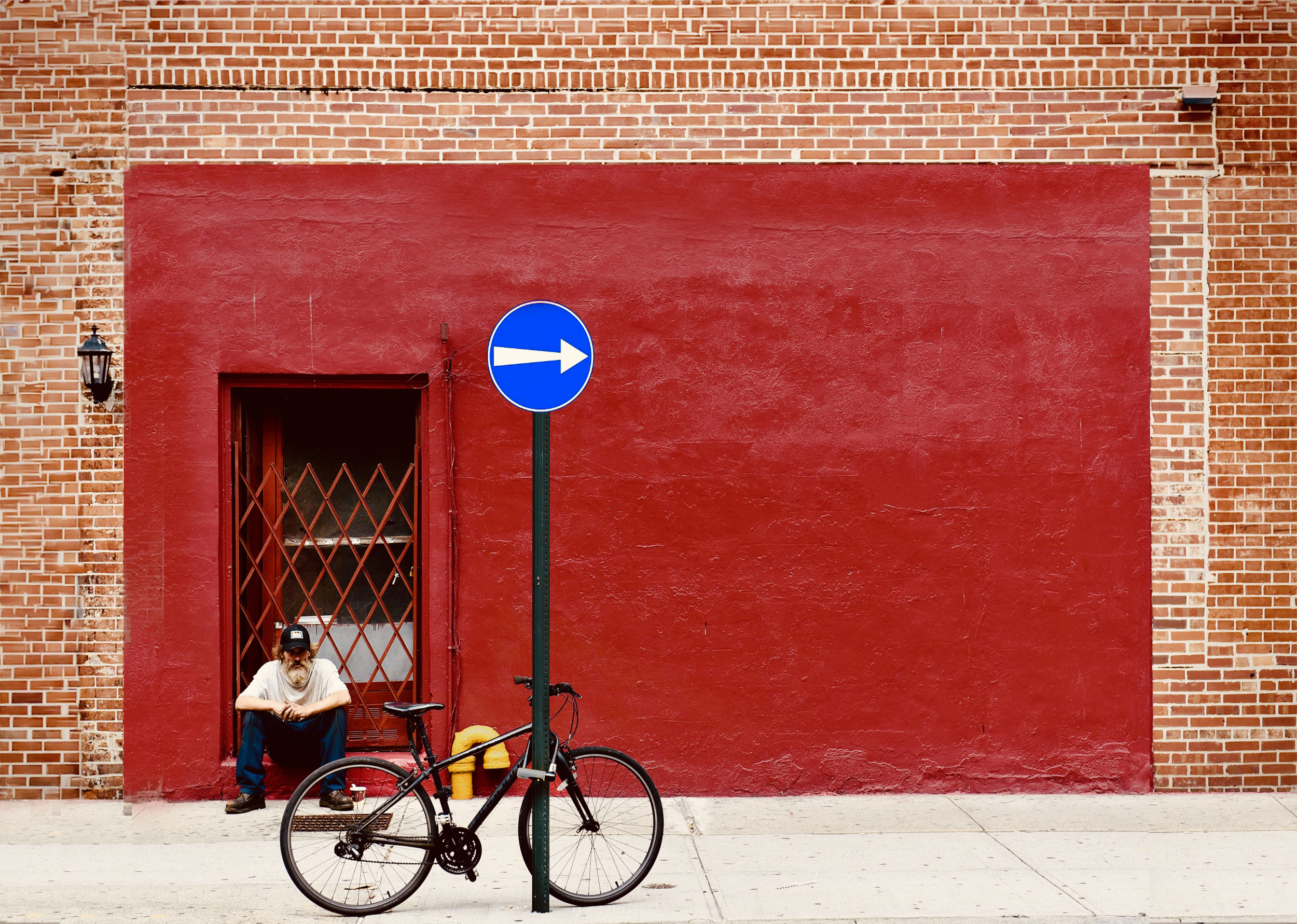
'Street - Los Angeles, California'
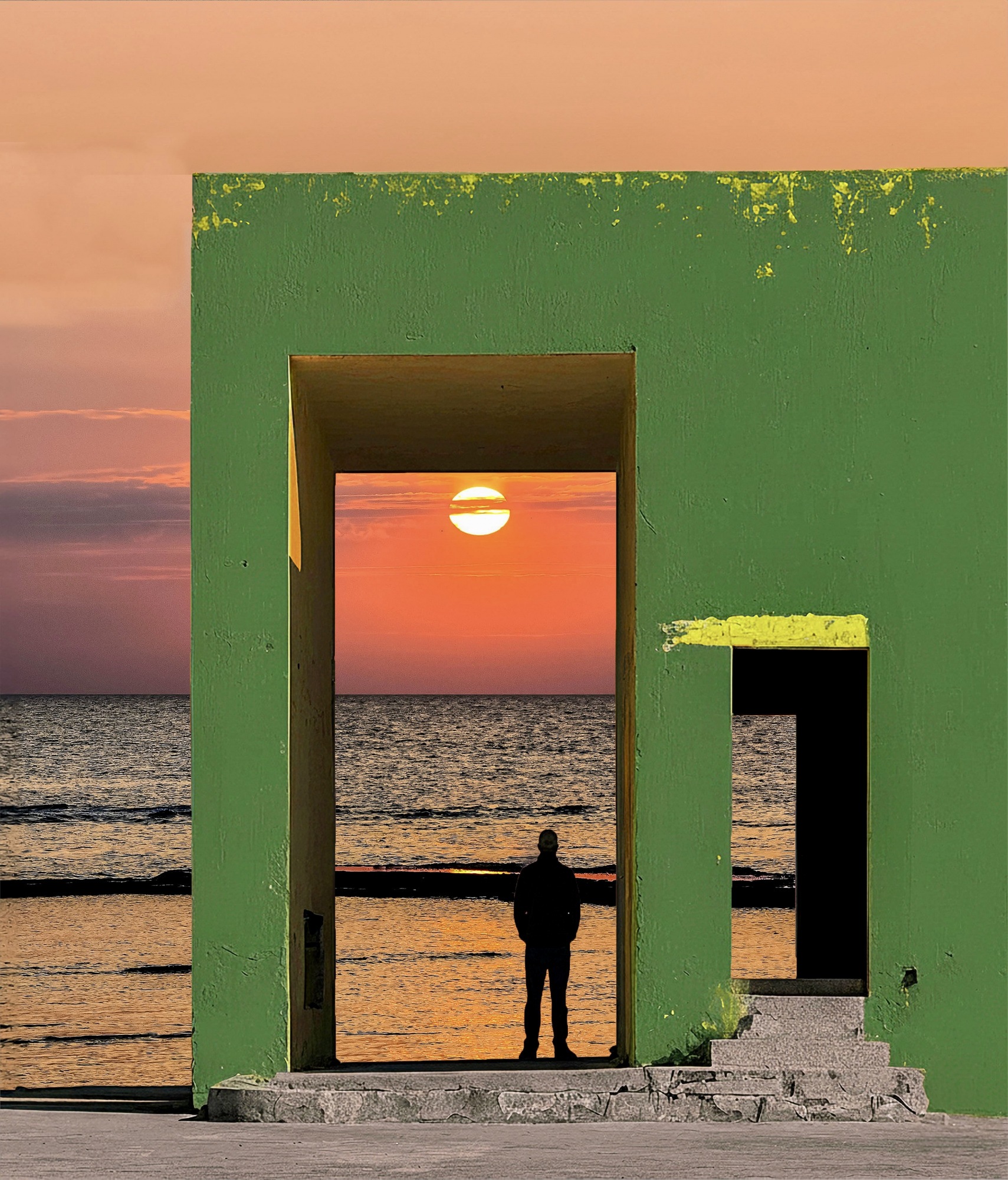 'Sunset - Acre'
 |
| | DonnaHom APA PRO Thank you for sharing your architecture images. Some are colorful, some are scenic, some are complicated, some are simple, great collection. Thank you and congratulations. |
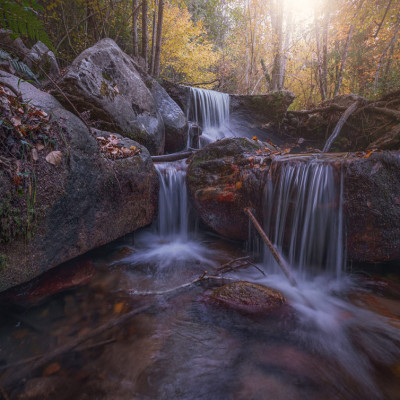 | joanaduenas PRO Beautiful color / contrast exhibition, congrats!!! |
 | Arnon Orbach CREW Thanks a lot for your kind appreciation dear Joana, greatly appreciated. |
| | Susan PRO I admire all of this work. When I am viewing photographs I always have stop at these vivid images. |
| Arnon Orbach CREW Many thanks dear Susan, Highly appreciated your kind comment. |
| | Rana Jabeen PRO Congratulations dear Arnon, your work is beautiful and inspiring |
| Arnon Orbach CREW Thanks so much dearest Rana for your kind comment, greatly appreciated. |
 | yein PRO The most surprising things after joining 1x were the architecture photos
Looking at the grand and majestic architecture has really broadened my perspective and been very helpful
The simple treatment also moves the viewer with its artistic expression.
Thanks to editors Marius Chintezava and Yvette Depeapepe! |
 | Marius Cinteza CREW Thank you, Yein, for your kind words! I am glad you enjoyed the exhibition! |
| Arnon Orbach CREW Thanks a lot for your kind appreciation dear Yein, much appreciated. |
| | Karin Kilb PRO Excellent work and compositions, Arnon. |
| Arnon Orbach CREW Many thanks dear Karin, Highly appreciated your comment. |
 | Matt jesshope PRO Each image invites you into the frame, to stand and become apart of it. Fantastic works! Congratulations Arnon, and beautifully presented.
|
| Arnon Orbach CREW Thanks so much dear Matt for your kind comment, highly appreciated. |
| | Thierry Dufour PRO Splendid work, I like very much, congrats Arnon, greetings !!! |
| Arnon Orbach CREW Thanks a lot for your kind appreciation dear Thierry, much appreciated. |
 | Wael Onsy PRO Stunning work, Arnon |
| Arnon Orbach CREW Thanks a lot dear Wael for your comment, highly appreciated. |
| | Excelente trabalho, Arnon!
|
| Arnon Orbach CREW Thanks so much dear Jorge for your comment, highly appreciated. |
 | jordiegeatorrent PRO Excellent work, Arnon. |
| Arnon Orbach CREW Many thanks dear Jordie, Highly appreciated your comment. |
 | Rolf Endermann PRO Congratulations dear Arnon for this wonderful series |
| Arnon Orbach CREW Thanks so much my dear friend Rolf for your kind comment, highly appreciated. |
 | Elena Raceala CREW Congrats to Arnon for his colorful and highly recognizable images! Excellent article, Marius! Thanks a lot!
|
| Arnon Orbach CREW Dearest Elena, thanks so much for your warm words, greatly appreciated my friend. |
| Marius Cinteza CREW Than you so much, Elena! Very much appreciate it! |
| | Wonderful work Arnon, many congratulations! |
| Arnon Orbach CREW Thanks a lot my dear friend Patrick for your kind comment, highly appreciated. |
| | Atul Saluja PRO Congratulations Arnon on your wonderful series of works and on the feature. Your work is an inspiration in design, graphics, and forms. Thank you Marius and Yvette! |
| Arnon Orbach CREW Thanks so much dear Atul, for your kind words. Greatly appreciated. |
| Marius Cinteza CREW Many thanks, Atul! Have a great day! |
| | Enhorabuena Arnold. Magnifica exposición repleta de arte urbano. Me encantan. Gracias Yvette por difundirlo |
| Arnon Orbach CREW Thanks a lot dear Jois for your kind words, it is highly appreciated. |
 | Greetje van Son PRO These are quintessential photos bearing your distinctive signature, Arnon. And I admire them—every single one. Congratulations on this wonderful article. |
| Arnon Orbach CREW Many thanks dear Greetje, happy you liked it. Highly appreciated you kind words my friend. |
 | Wayne Pearson PRO Always excellent colourful and often abstract shapes, textures and vibrant colours Arnon, congratulations on this feature. Thank you to Marius and Yvette for this beautifully presented feature. |
 | Yvette Depaepe CREW Thanks for your appreciation, dear Wayne ... |
| Arnon Orbach CREW Thanks so much dear Wayne, glad you liked it. I Greatly appreciated your words, my friend. |
| Marius Cinteza CREW Many thanks, Wayne! Wishing you a great day ahead! |
| | Miro Susta CREW Hallo Arnon I love your wonderful urban photographs, always fascinating arrangement and splendid contrasting colors, accept my sincere congratulations, many thanks Marius and Yvette for bringing it to us. |
| Yvette Depaepe CREW Thanks a lot for your appreciation, Miro ... |
| Arnon Orbach CREW Thanks so much dear Miro, happy you liked it. Greatly appreciated you kind words. |
| Marius Cinteza CREW Thank you very much, Miro! Appreciate it! Have a great day! |
 | Leonard Spector PRO Arnon, your Structures of the City exhibition is a wonderful exploration of urban architecture and geometry. I really enjoy how you find beauty in the lines, shapes, and patterns of everyday city structures, turning them into compelling photographic compositions. |
| Arnon Orbach CREW Thanks a lot dear Leonard for your kind words, greatly highly appreciated. |
 | Imi Koetz PRO Excellent and special works Arnon !! I love geometry and graphic in pictures ! Congratulations Arnon, Yvette and Marius !! |
| Yvette Depaepe CREW Thanks for your appreciation, Imi ... We love to put talented photographers in the spotlight ;-) |
| Arnon Orbach CREW Many thanks dear Imi for your kind words, much appreciated |
| Marius Cinteza CREW Thank you, Imi, for the king words! Have a great day! |
| | Steven T CREW Congratulations, Arnon! Excellent photographs. You have a good eye for precise compositions and balanced colours. |
| Arnon Orbach CREW Thanks so much dear Steven, happy you liked it. Highly appreciated my friend. |
| | Erhard Batzdorf PRO It is a great pleasure to see your architectural images—mostly abstract details with wonderful colors. Architectural photography would be poorer without your pictures. Best wishes dear Arnon. |
| Arnon Orbach CREW Thanks a lot dear Erhard for your kind words, it is highly appreciated. |
 | congratulations for this well deserved exhibition dear friend. I love your style of photography so much and this article is filled with a fantastic collection of your excellent coloured graphical abstract artwork |
| Arnon Orbach CREW Thanks so much dear Hans, happy you liked it. I learn a lot from you. Greatly appreciated my friend. |
| | Jay Satriani PRO A truly fascinating and insightful article, especially point 3 regarding "Architectural Rhythm: Movement, Space, and Scale." I really enjoyed it. Congratulations to artist Arnon Orbach—an extraordinary body of work with a unique appeal, even though it falls outside my usual genre. My thanks go to editor Marius Cinteza and old friend Yvette Depaepe. Keep shining your light. Best Regards jay |
| Yvette Depaepe CREW Thanks dear Jay ... A pleasure to present such talented photographers in the magazine and in the Gallery ... |
| Arnon Orbach CREW Thanks a lot dear Jay, happy you enjoyed it. my warmest appreciation. |
| Marius Cinteza CREW Thank you so much, Jay! Appreciating your kind words! |
| | Cicek Kiral CREW A great article and set of photographs... I enjoyed each and every very much. Thanks to the editorial team, Yvette and Marius. Congratulations to dear Arnon. |
| Yvette Depaepe CREW Thanks for your appreciation, Cicek ;-) |
| Arnon Orbach CREW Thanks so much dear Cicek, happy you liked it. Greatly appreciated my friend. |
| Marius Cinteza CREW Thank you you very much, Cicek! Have a great day! |
 | Congratulations dear friend =) |
| Arnon Orbach CREW Thanks a lot dear Thomas much appreciated. |
| | Roland Weber PRO My congratulations for those photos, Arnon.
It is a it was announced by the author, hold on for while, appreciate and enjoy the exhibition.
Thank you all for that. |
| Arnon Orbach CREW Many thanks dear Roland for your kind words, highly appreciated. |
by Yvette Depaepe
Published the 30st of September 2026
'Benches'
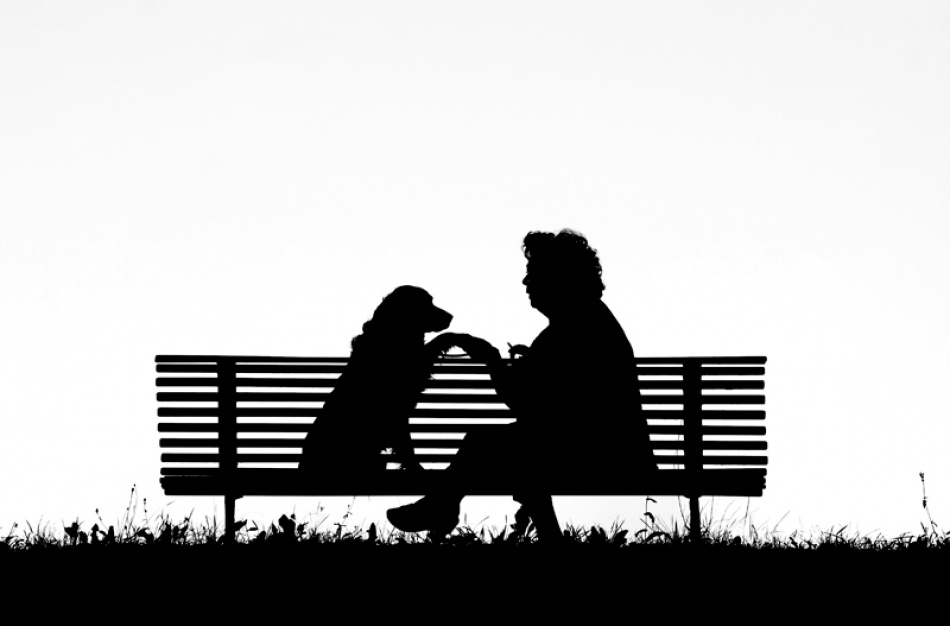
Benches are everywhere but most people walk past them without a second thought. They quietly collect stories throughout the day: people waiting, resting, eating lunch, tying shoes, watching sunsets, or just taking a break for a few minutes. Your turn to take a break while looking at the beautiful bench images submitted.
The winners with the most votes are:
1st place : Luciano Caturegli
2nd place: Fernando Alves
3rd place : Alahattin Kanlioglu
Congratulations to the winners and honourable mentions.
Thanks to all the participants in the contest 'Benches'
Current contest theme is 'Rainy days'
The overcast sky is an excellent chance to seek natural lighting. Also notice raindrops on the leaves or flowers, puddles in the ground or wet hair. When you take photos in the rain, it is better to choose dark backgrounds. The reason is that it creates a gloomy atmosphere that corresponds to the rainy weather and dramatic look.
This contest will end on Sunday the 11th of October at midnight.
The sooner you upload your submission the more chance you have to gather the most votes.
If you haven't uploaded your photo yet, click here.
1st place by Luciano Caturegli
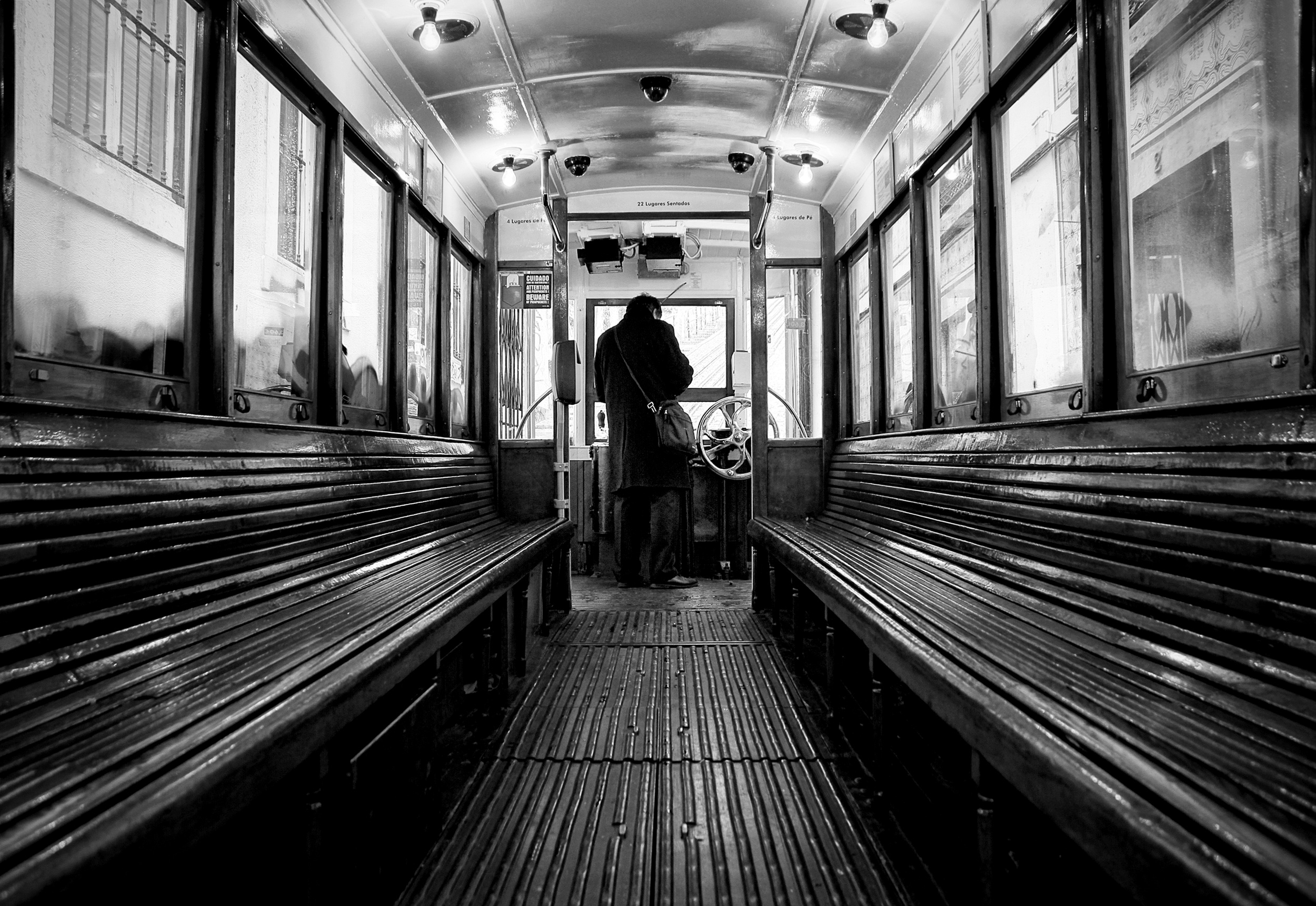
2nd place by Fernando Alves
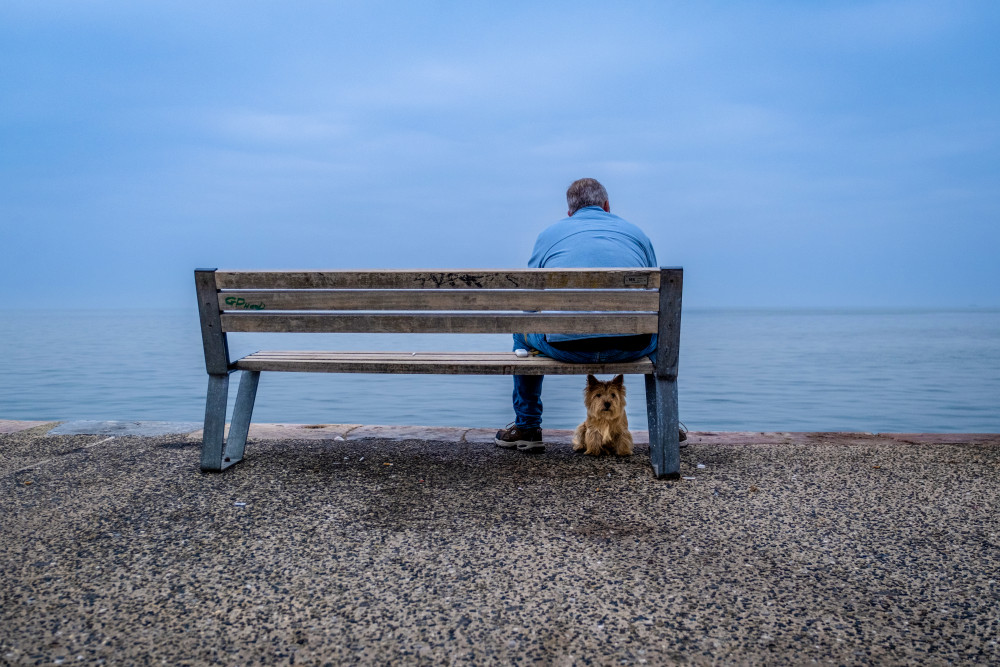
3rd place by Alahattin Kanlioglu
HONOURABLE MENTIONS
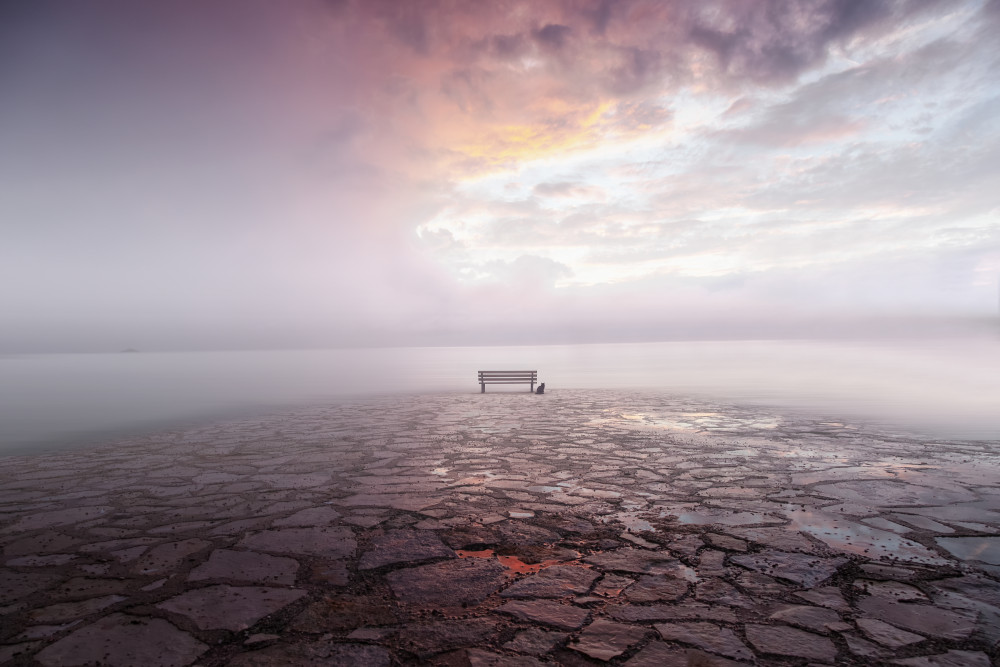
by Uschi Hermann
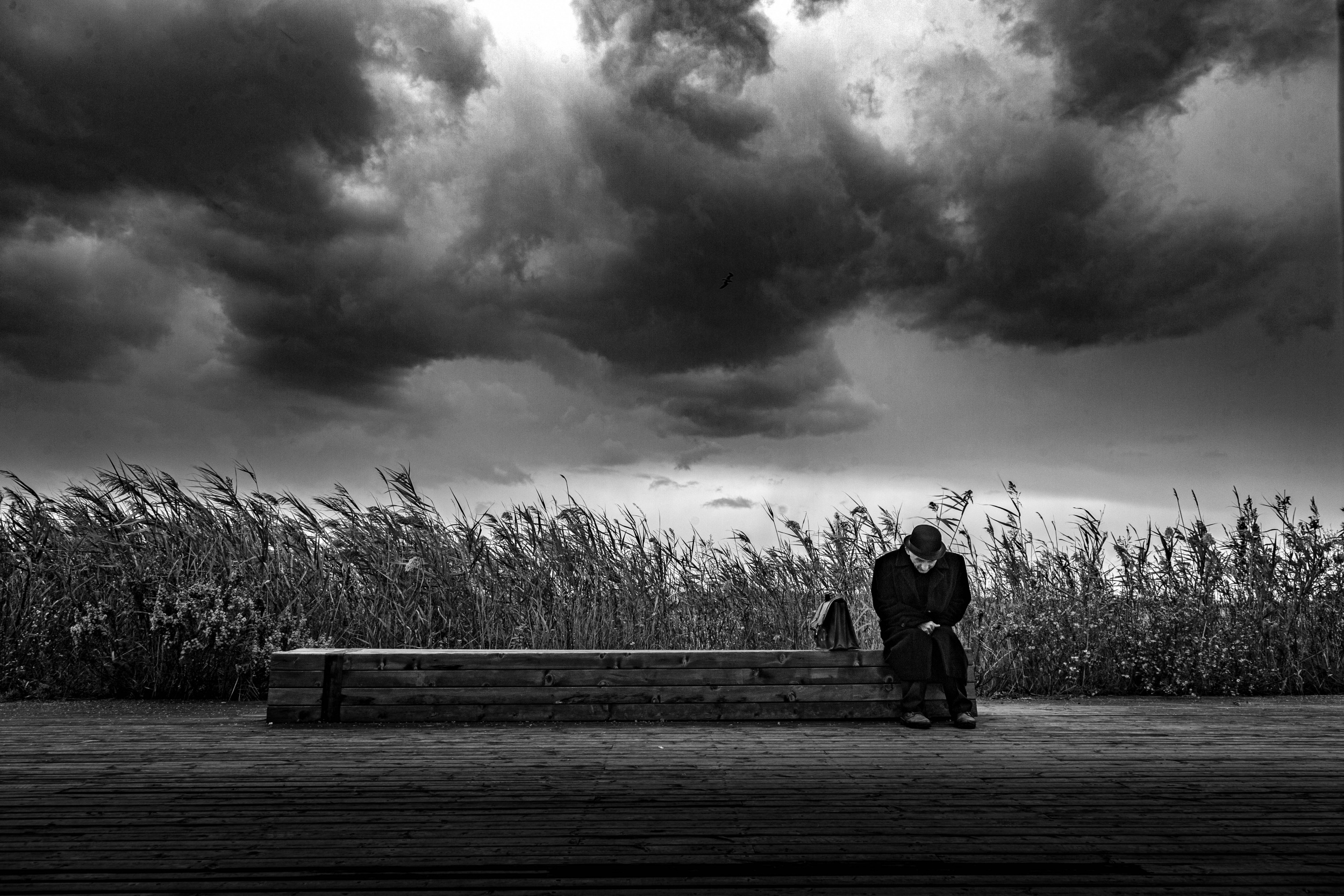
by Ramiz Sahin
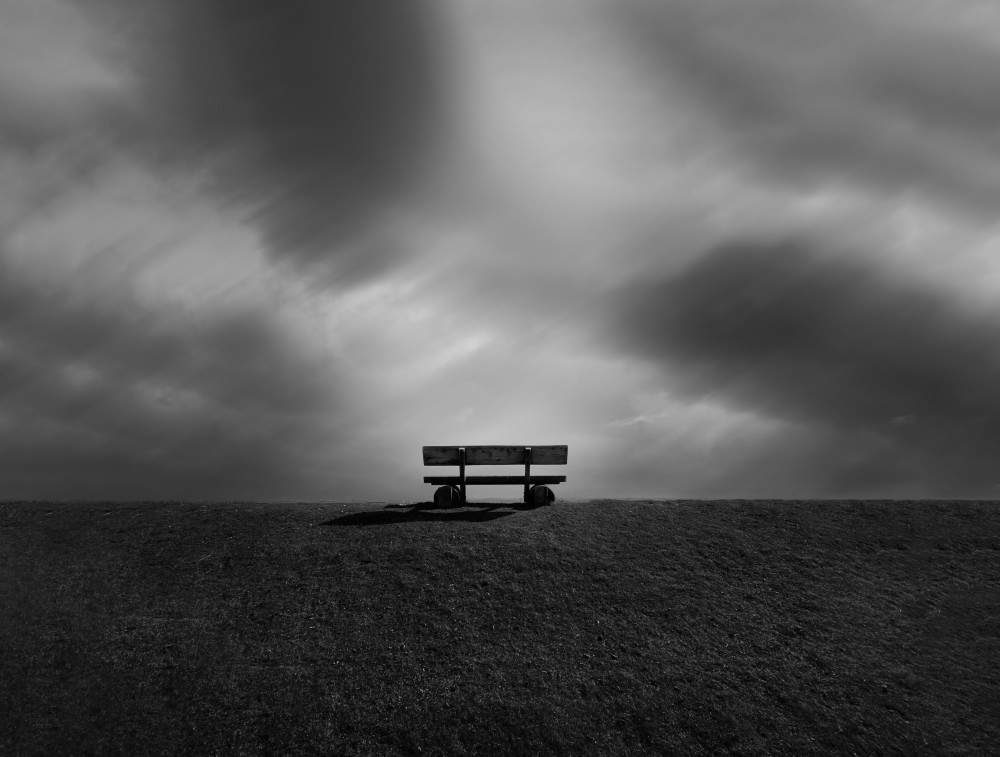
by Ralf Schoppe
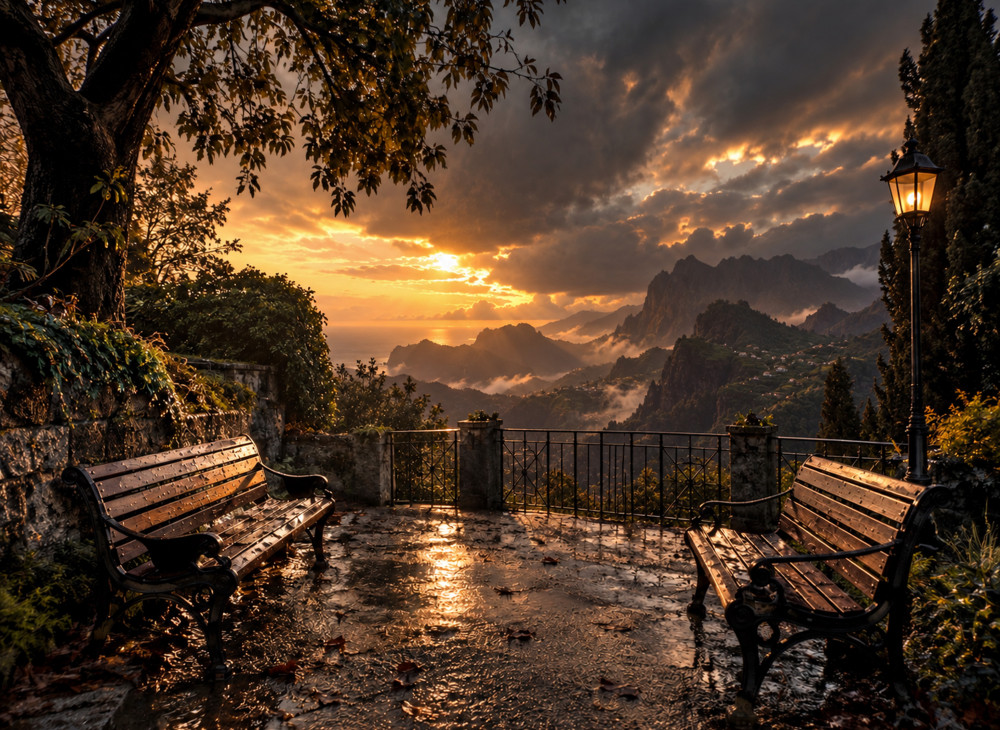
by DDiArte
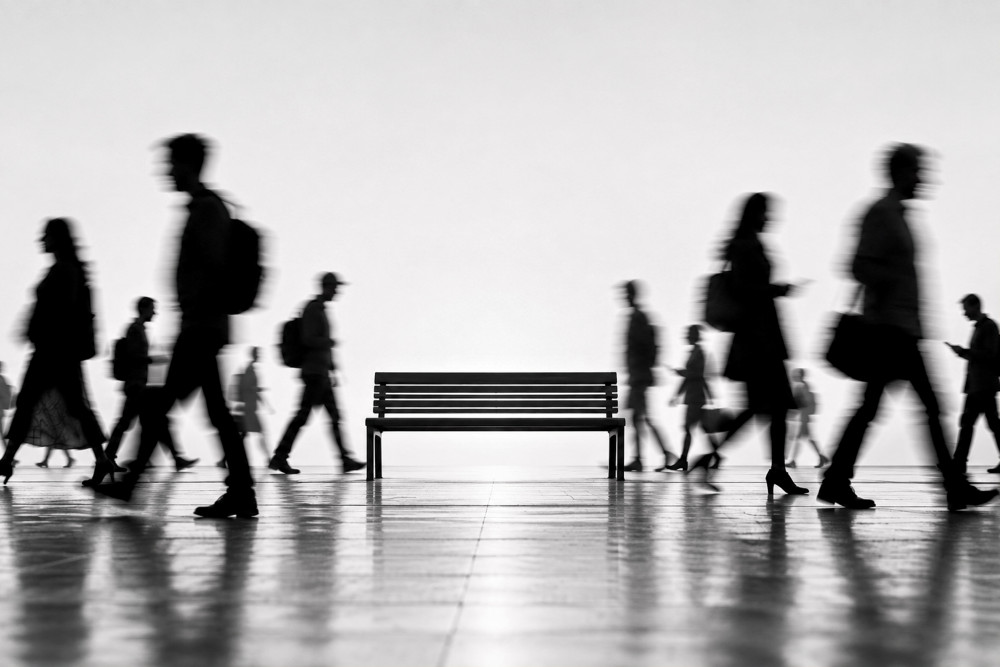
by Antonyus Bunjamin (Abe)
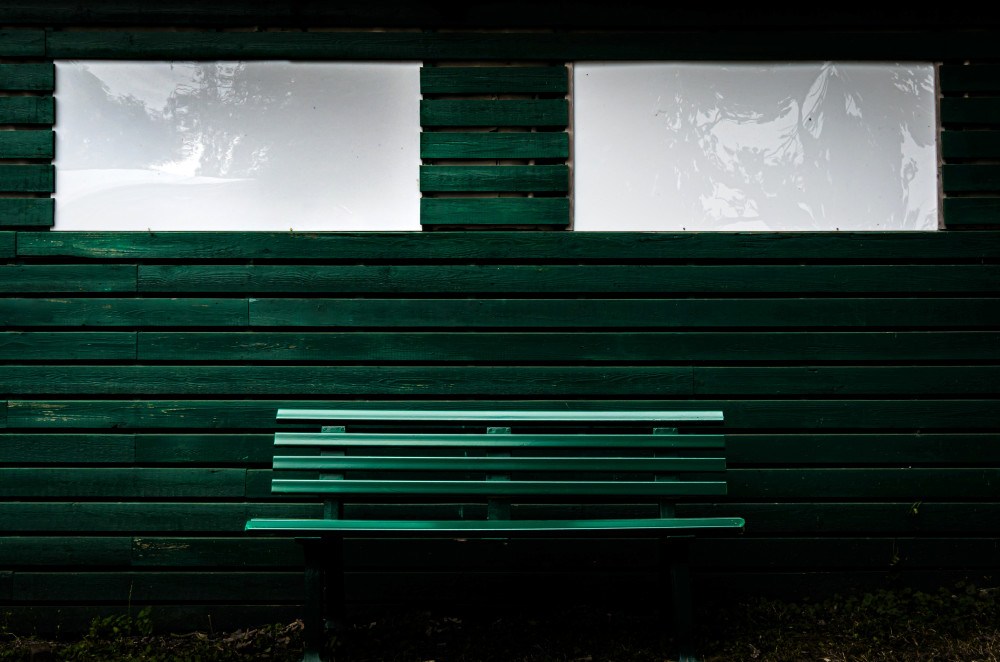
by Ivo Belmans
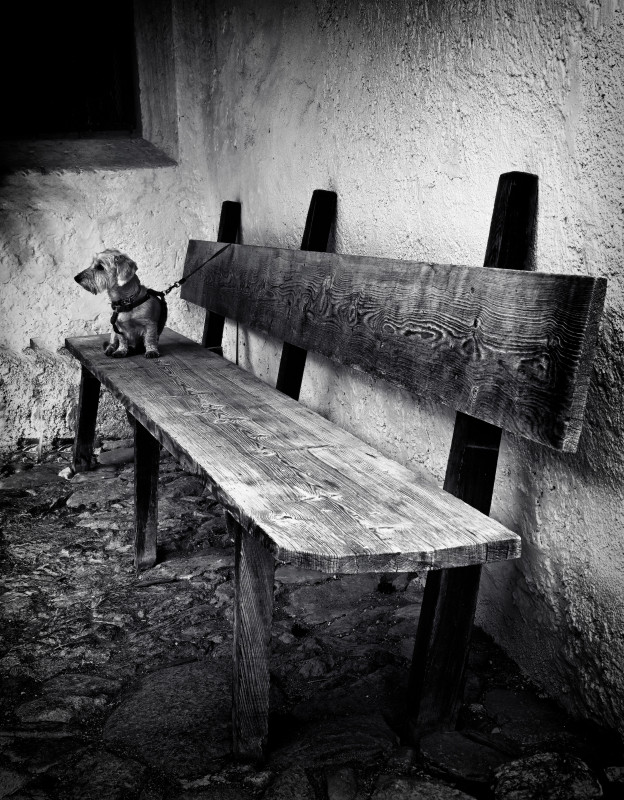
by Raffaele Corte
You can see the names of the TOP 50 here.
The contests are open to everybody except to crew members.
Submitting images already published / awarded on 1x is allowed.
|
 | Thank you, Arnon for this inspiring portfolio, for the interview and also thanks to the editors! |
| | DonnaHom APA PRO Great collection of the bench theme. Excellent artistic presentation. Congratulations to all authors. Thank you to the editors. |
 | Gustav Davidsson PRO Fantastic bench photos. All winners in my eyes. Congrats. |
| | Adolfo Urrutia PRO Congratulations to the winners. Thanks a lot, Yvette. |